
Mycotherapy
Six medicinal mushrooms in light of contemporary clinical evidence.
Mycotherapy is the therapeutic use of higher fungi — polypores, basidiomycetes, ascomycetes — for prevention or functional support. An ancient discipline, attested in China from the 1st century in the Shennong Bencao Jing, in Japan through the Yamabushi tradition, and in Tibet through Cordyceps, it has undergone since the 1980s a scientific renewal fed by polysaccharide chemistry, immunology and triterpene pharmacology.
Medicinal mushrooms are neither ordinary foods nor approved medicines (with the exception of injectable lentinan in Japan). This intermediate status requires rigorous reading: distinguishing fruiting body from mycelium, studied doses from commercial doses, clinical signal from marketing. Each exploration crosses history, molecular mechanisms, critical reading of 2024-2025 meta-analyses and use precautions.
Six emblematic mushrooms structure this journey: Reishi (longevity, triterpenes), Hericium (NGF, cognition), Shiitake (lentinan, oncology), Cordyceps (cordycepin, endurance), Maitake (D-fraction, glycaemia) and Chaga (melanins, antioxidants — and oxalate nephropathy to know).
Peer-reviewed sources, informed by the clinical experience of naturopaths.
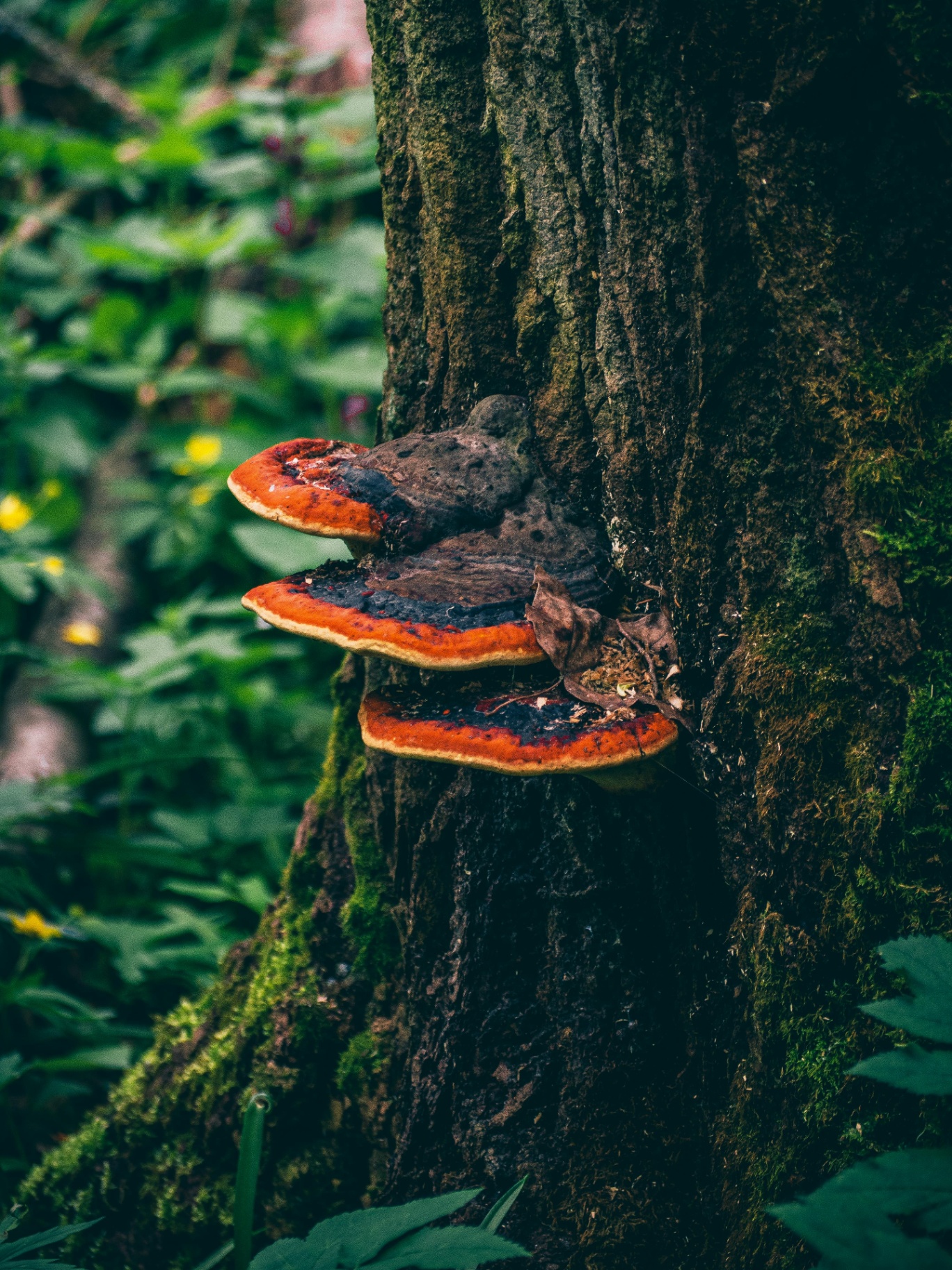
Reishi
The longevity mushroom: 2,000 years of tradition, 5,000 publications, a 2025 meta-analysis.
Explore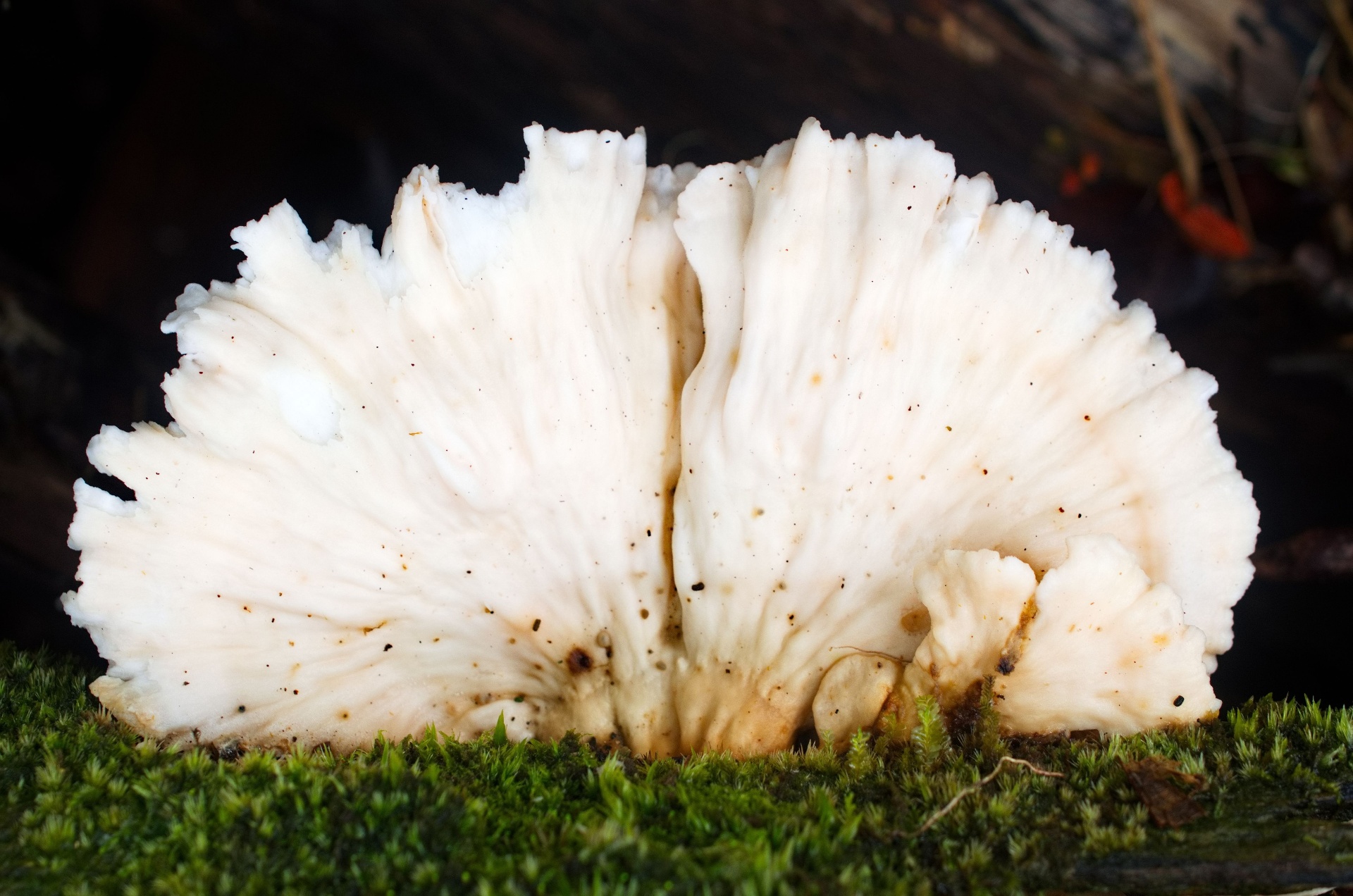
Hericium
The lion's mane mushroom: NGF stimulation, blood-brain barrier, 5 randomised trials.
Explore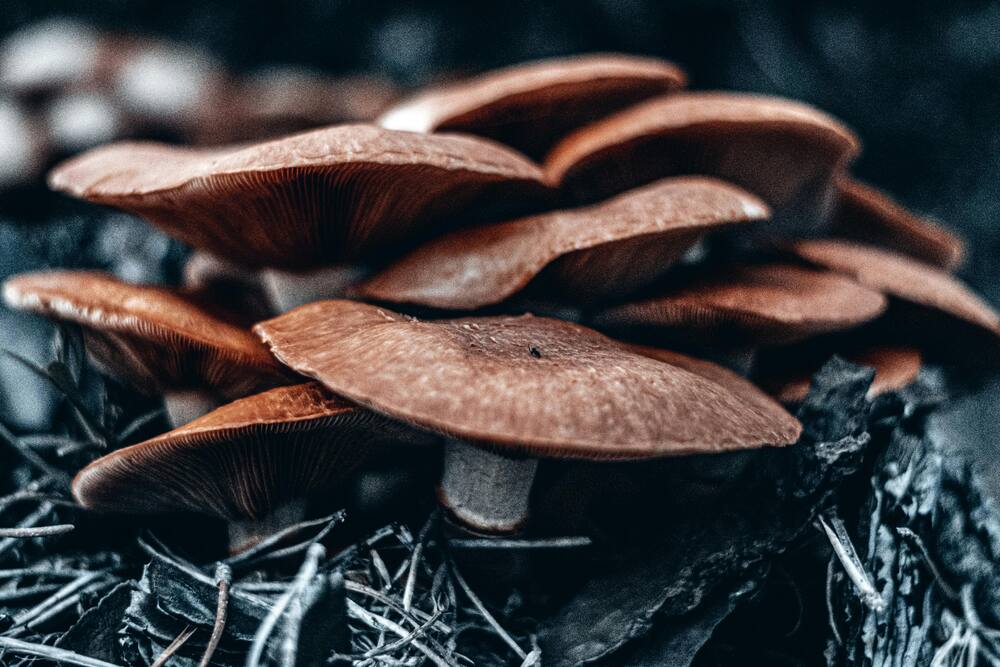
Shiitake, Lentinula edodes
The mushroom of Japanese forests: lentinan, β-glucans, and an adjuvant drug approved in Japan since 1985.
Explore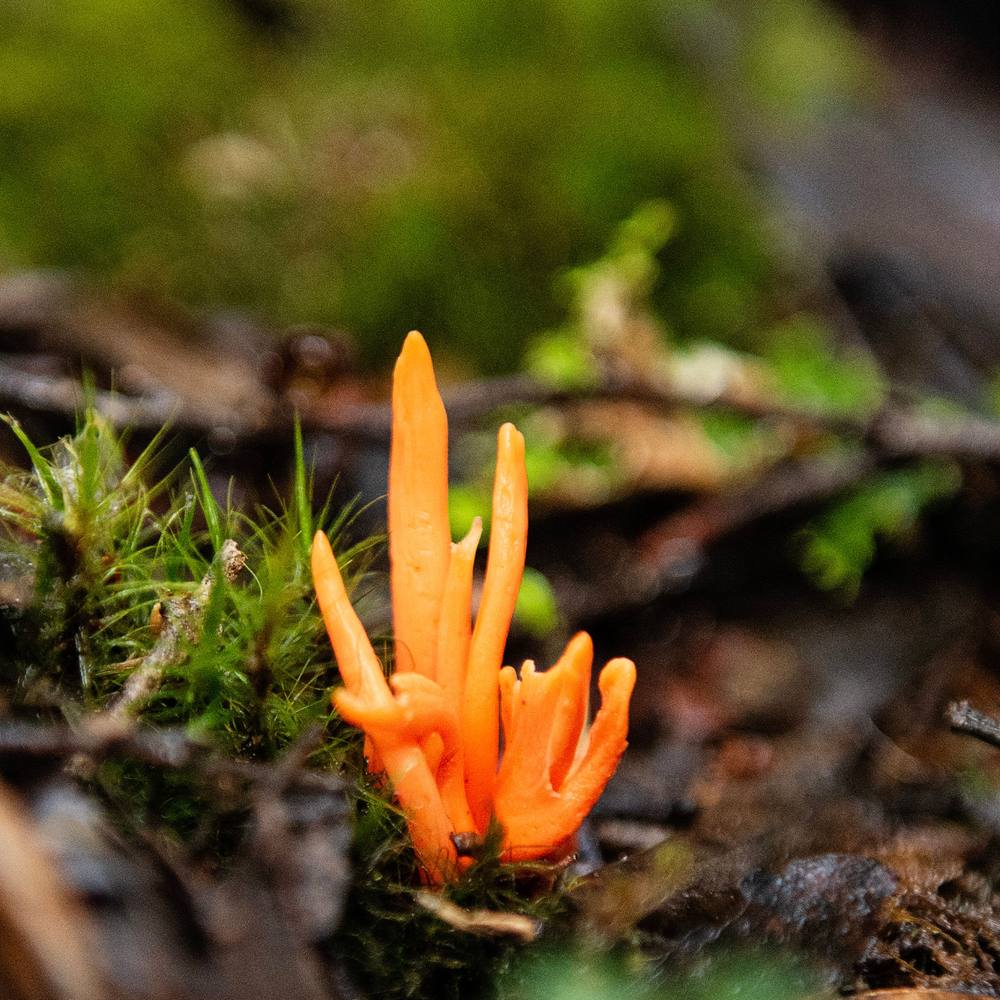
Cordyceps, Cordyceps militaris / sinensis
Yartsa Gunbu, cordycepin, VO₂max: the entomopathogenic mushroom of the Tibetan highlands, now cultivated in laboratories.
Explore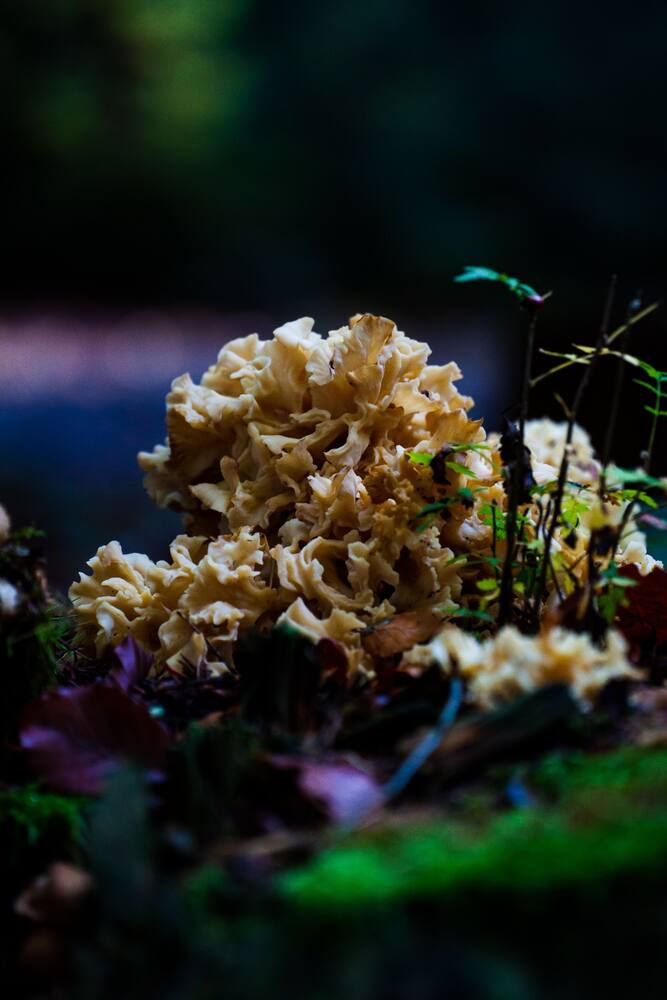
Maitake, Grifola frondosa
The Japanese 'dancing mushroom': D-fraction β-glucan, glucose metabolism and oncology co-use in Japan.
Explore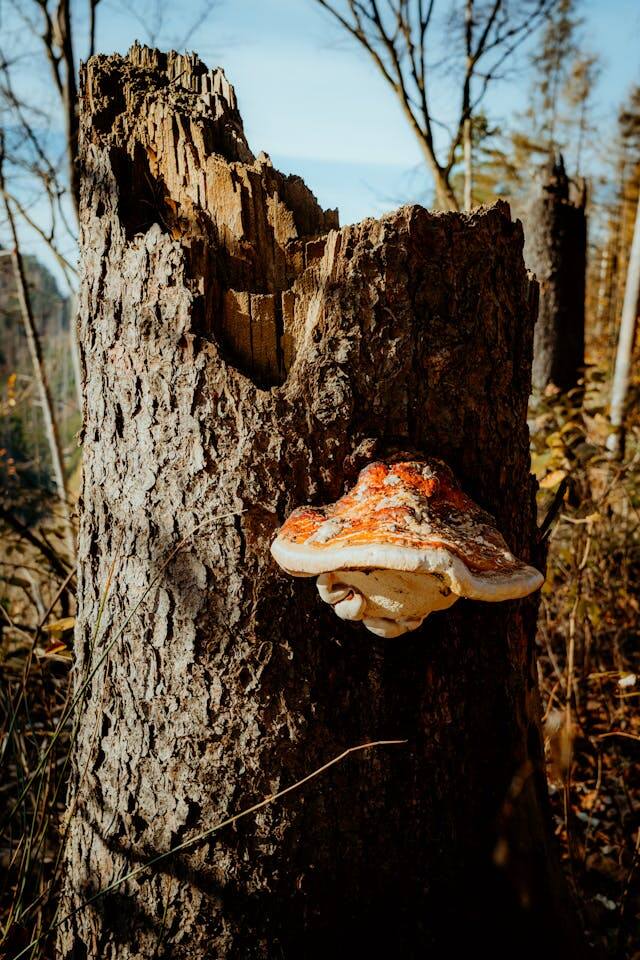
Chaga, Inonotus obliquus
The 'birch charcoal' of the boreal forest: melanins, polyphenols, and the oxalate nephropathy risk to know.
Explore