
Neuropods: when the gut talks to the brain in milliseconds
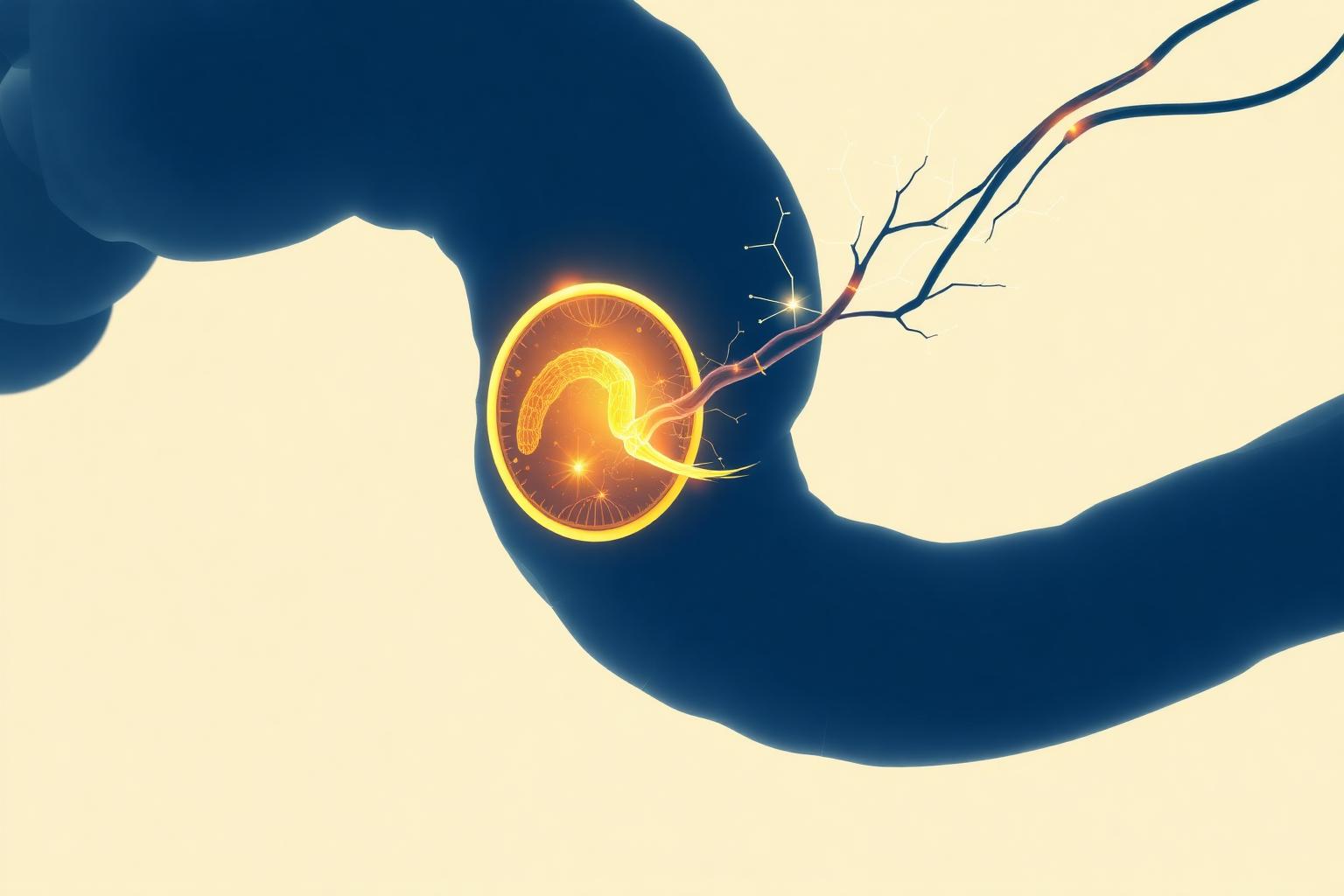
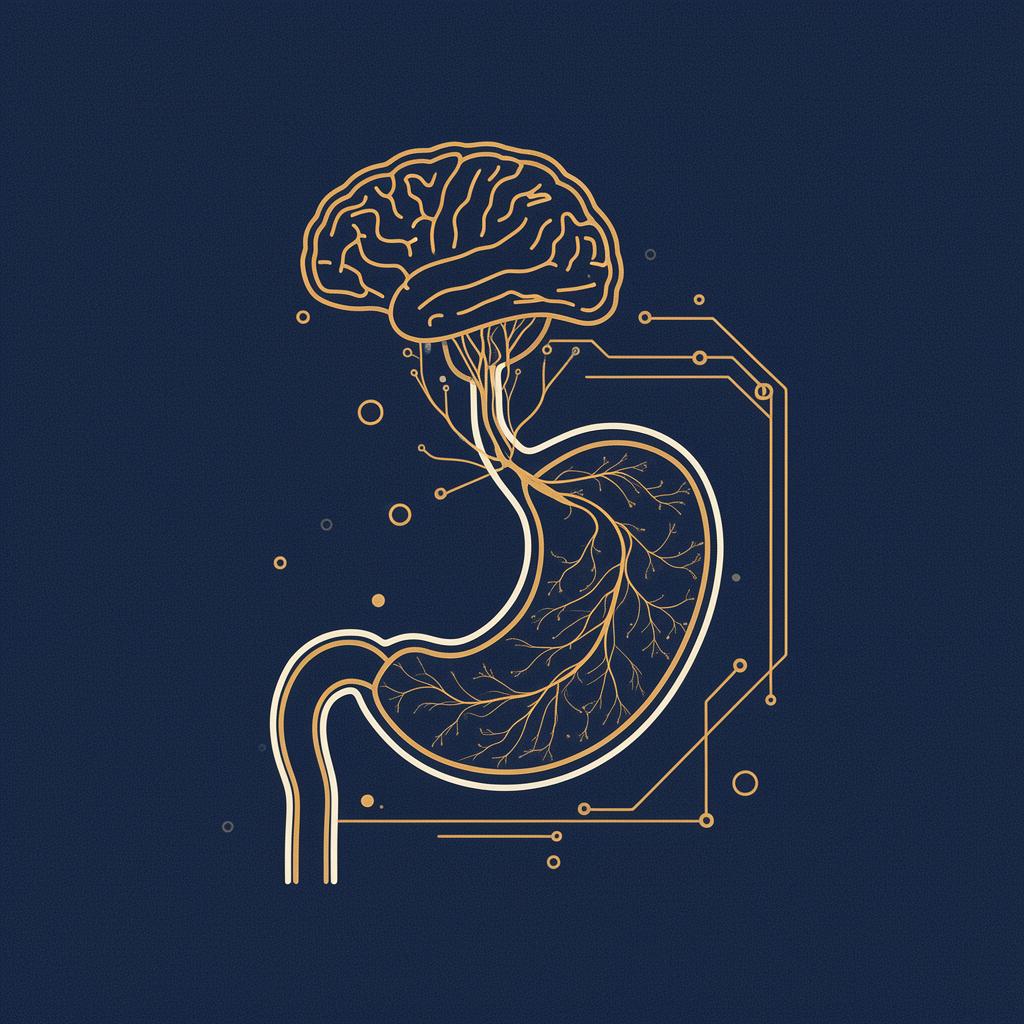
For a long time we believed the gut spoke to the brain only through hormones, slowly, in the blood. Since 2015 we know there is a second line: sensory cells, the , that form a true with the and pass information in a hundred milliseconds. As fast as sight or hearing.
Two speeds. The hormone in minutes. The neuropod in milliseconds.
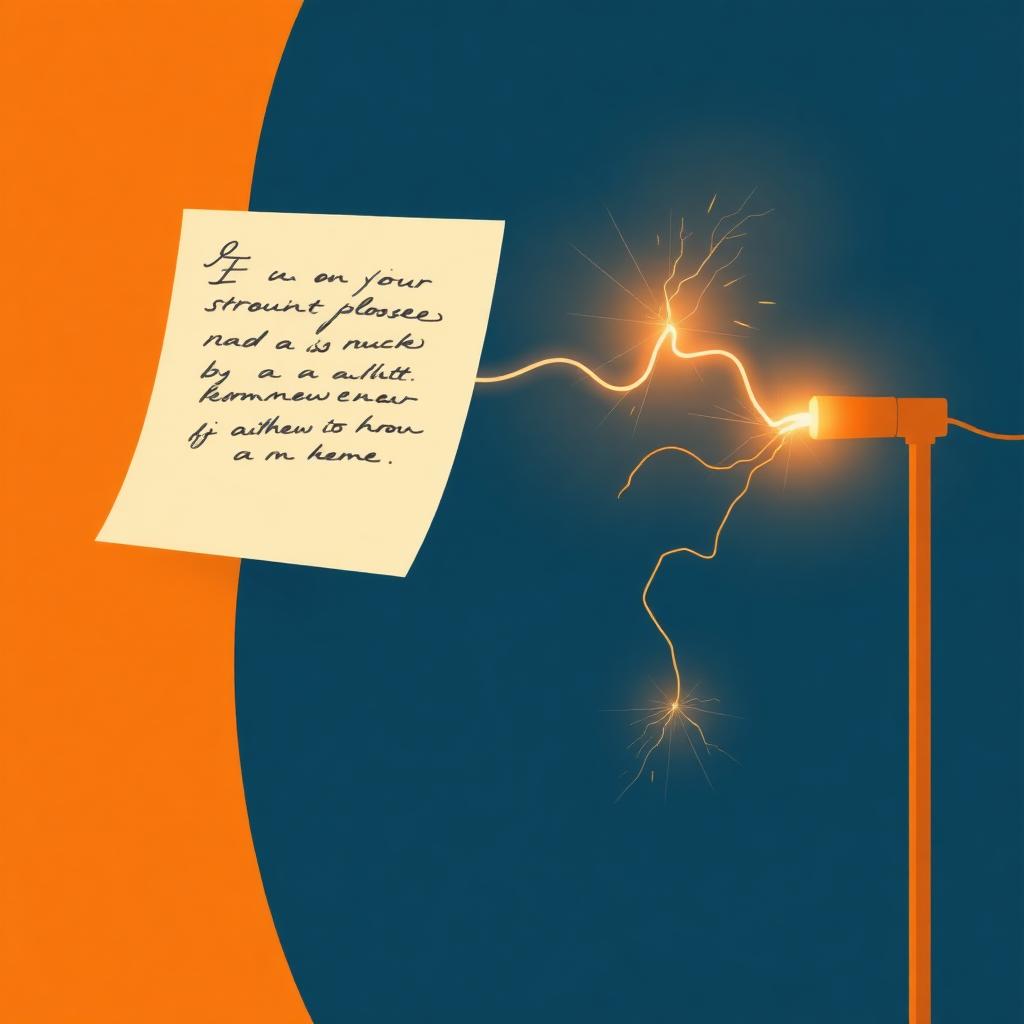
The classic route is hormonal. An detects a nutrient and secretes a hormone (, , ); it travels through the blood and, several minutes later, influences satiety, insulin or motility.
The neuropodal route is synaptic. The neuropod carries a long process that reaches down to a vagal fibre, releases (a fast neurotransmitter) and a (a more sustained signal). The brain receives the information in roughly a hundred milliseconds, the speed of a visual reflex.
Why sugar wins over sweetener
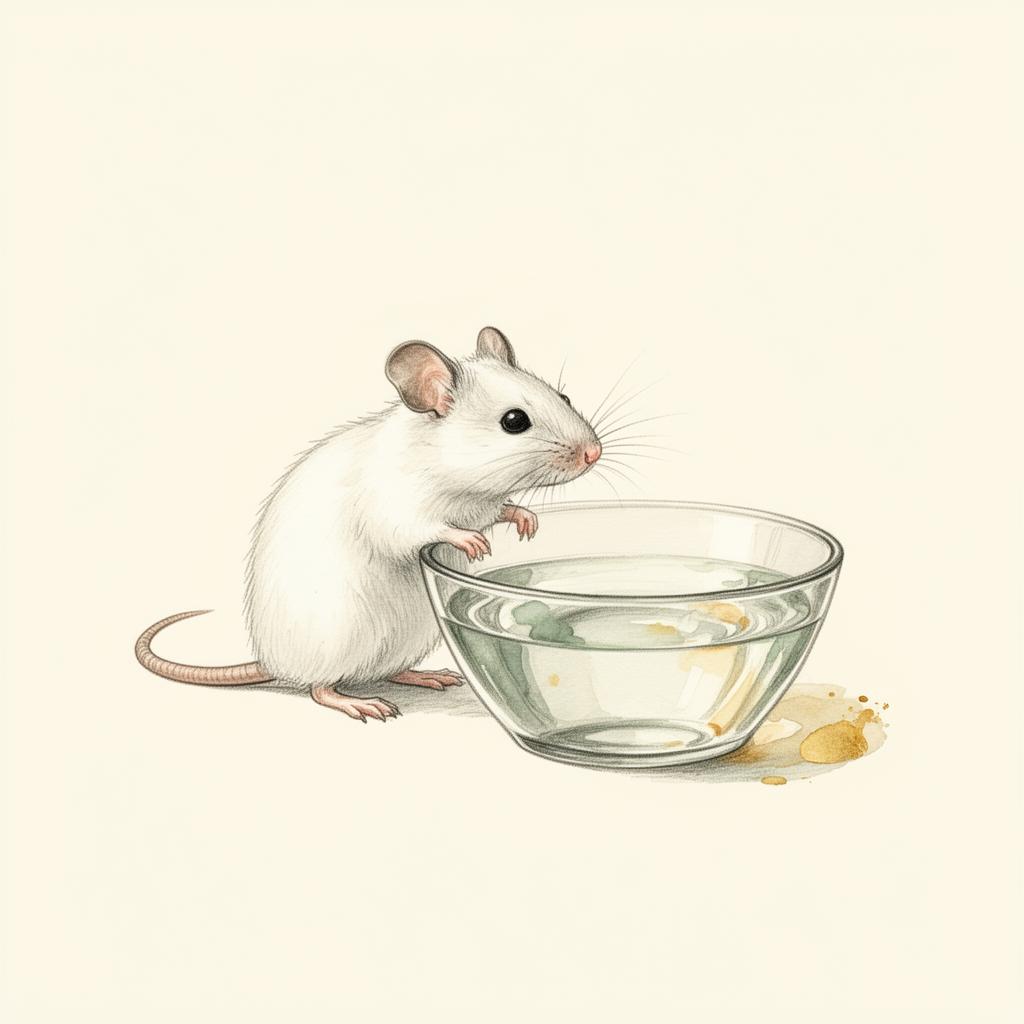
In 2022 Diego Bohorquez's team (Duke University) published a striking experiment. Mice were given a choice between water sweetened with glucose and water sweetened with sucralose. By taste, tongue for tongue, sucralose is sweeter. Yet the mice rapidly prefer glucose.
When neuropods are selectively silenced through , the preference vanishes. Taste in the mouth therefore is not enough: it is the gut that distinguishes, after ingestion, what is a real nutrient from what is not, and that transmits this verdict to the brain through the vagus. Without functional neuropods, the brain loses this silent information.
A hidden sense, the sixth
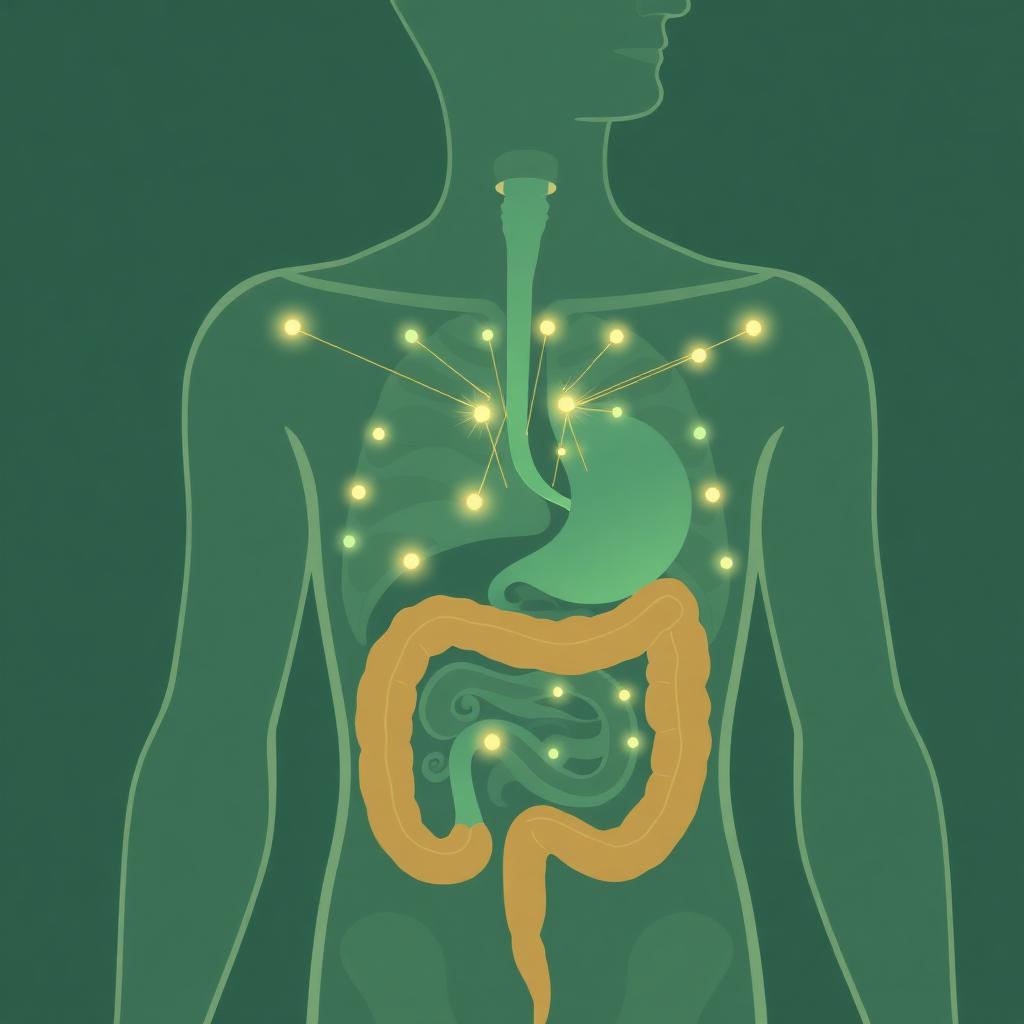
Neuropods also sense temperature and mechanical stretch. The oesophagus, for example, adjusts its thermoregulation within seconds of swallowing a hot or cold liquid: too fast to go through hormones. This route handles it.
A genuine sense is starting to be described, comparable to sight or hearing, which informs the brain continuously of what enters the body. This reshapes our reading of functional digestive disorders, of eating disorders, and of some neurological effects observed after bariatric surgery.
This exploration is educational. It does not replace your doctor's advice nor the personalised guidance of a naturopath, who can help you read your own signals. Terms and conditions →
More explorations on this topic
- Kaelberer MM, Buchanan KL, Klein ME, et al.. « A gut-brain neural circuit for nutrient sensory transduction ». Science, 2018.
- Buchanan KL, Rupprecht LE, Kaelberer MM, et al.. « The preference for sugar over sweetener depends on a gut sensor cell ». Nature Neuroscience, 2022.
- Bohorquez DV, Shahid RA, Erdmann A, et al.. « Neuroepithelial circuit formed by innervation of sensory enteroendocrine cells ». Journal of Clinical Investigation, 2015.
- Han W, Tellez LA, Perkins MH, et al.. « A neural circuit for gut-induced reward ». Cell, 2018.