
Nutrilexic
    Back to Peptides
    FR
    Nutrilexic · Peptides · Plate vs Ozempic

    What your plate does

    that Ozempic does not

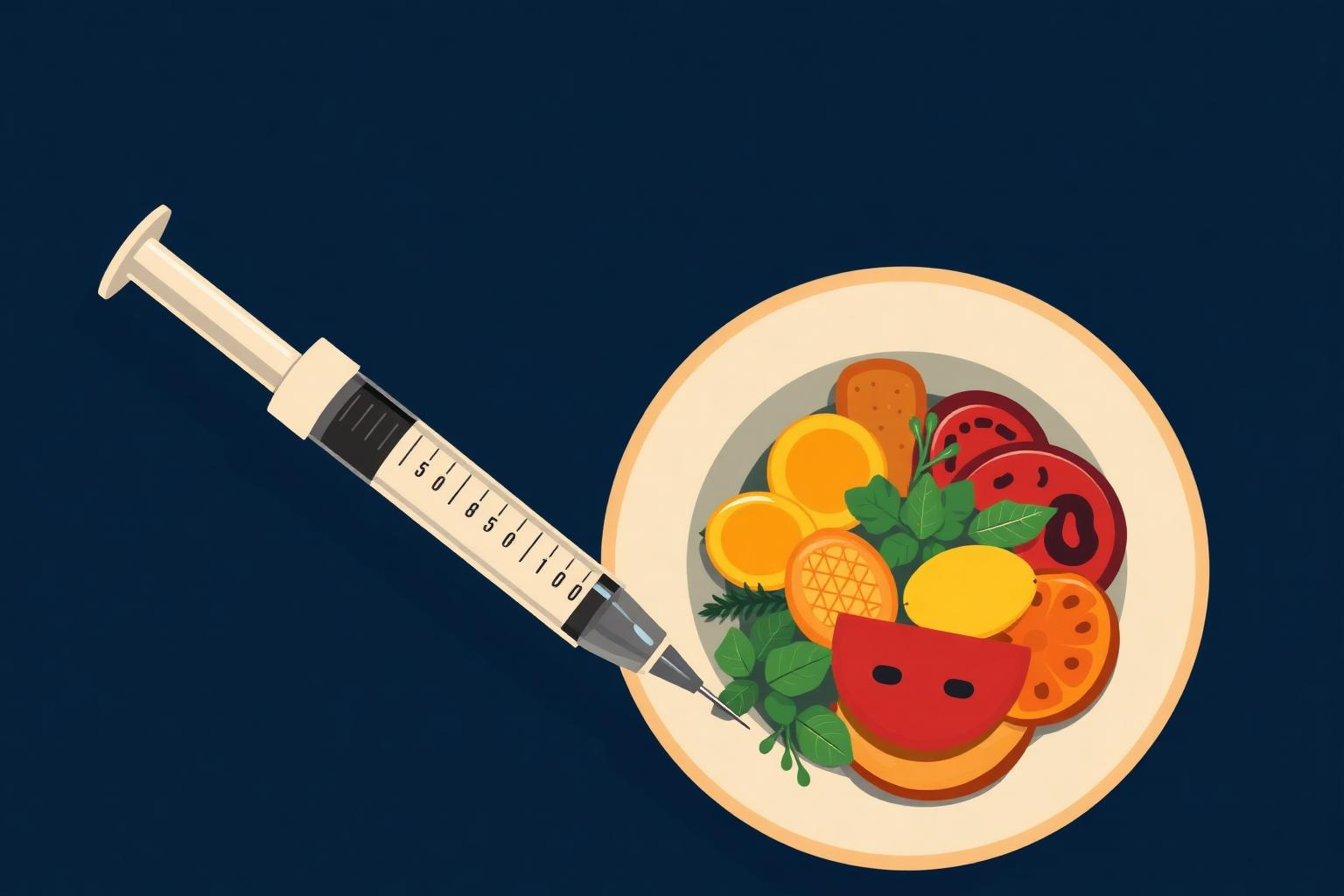
    Editorial illustration: an Ozempic injector pen facing a colourful plate of real food.

    Ozempic®, Wegovy®, Mounjaro®. These prescription medicines mimic a peptide your gut has always produced naturally: . What the press covers less: your everyday meals can support the release of this same peptide. Not at drug-level doses. But continuously, with no abrupt off-switch, no rebound, and with something GLP-1 analogues do not do on their own, they help support muscle preservation when combined with the right nutrition and exercise.

    Peer-reviewed sources, informed by the clinical experience of naturopaths.

    The peptide you already make

    GLP-1, your body's own satiety hormone

    is released by the of your small intestine in response to incoming food. It slows , stimulates insulin secretion and sends a satiety signal to the . You eat less, more slowly, and feel full for longer.

    This is the mechanism Ozempic mimics. The difference: Ozempic is a chemically modified synthetic version that stays active for about 7 days. Your endogenous GLP-1 acts for 2 to 3 hours after each meal, in physiological waves.

    What the prescription label does not always show

    Two facts worth knowing before you start

    The weight-loss effects of Ozempic are real and well documented. Two facts, however, deserve to be stated clearly.

    Fact 1 · The rebound

    In the extension of the trial (Wilding et al., Diabetes Obes Metab 2022), roughly two thirds of the weight lost was regained within the year after stopping semaglutide. The drug works while it is taken. Once stopped, appetite tends to return to its previous level.

    Fact 2 · Lean body mass

    Across studies, 15 to 40% of the weight lost on GLP-1 therapy is , skeletal muscle, bone, and other metabolically active tissue (Neeland et al., 2024). From age 50 onwards, this silent loss has measurable consequences for strength, mobility and resting metabolism.

    What current research recommends: combine GLP-1 therapy with a protein-rich diet and a structured exercise programme. Food is not being presented here as a substitute for prescription medicine. It is what those medicines cannot do on their own.

    This page is educational. Ozempic®, Wegovy® and Mounjaro® are prescription medicines. Any treatment decision belongs to you and your physician.

    Foods that engage your L cells

    Seven documented foods, seven different mechanisms

    Not all foods support GLP-1 in the same way. Each family activates a different receptor on the L cells. Here is what the research has mapped. Swipe →

    Editorial illustration: Oily fish
    1 / 7

    Oily fish

    Sardines, mackerel, salmon

    The omega-3 fatty acids EPA and DHA activate the receptor on L cells, which triggers GLP-1 secretion.

    Level of evidence: moderate
    Hirasawa A et al., Nature Medicine 2005; IJMS review 2025
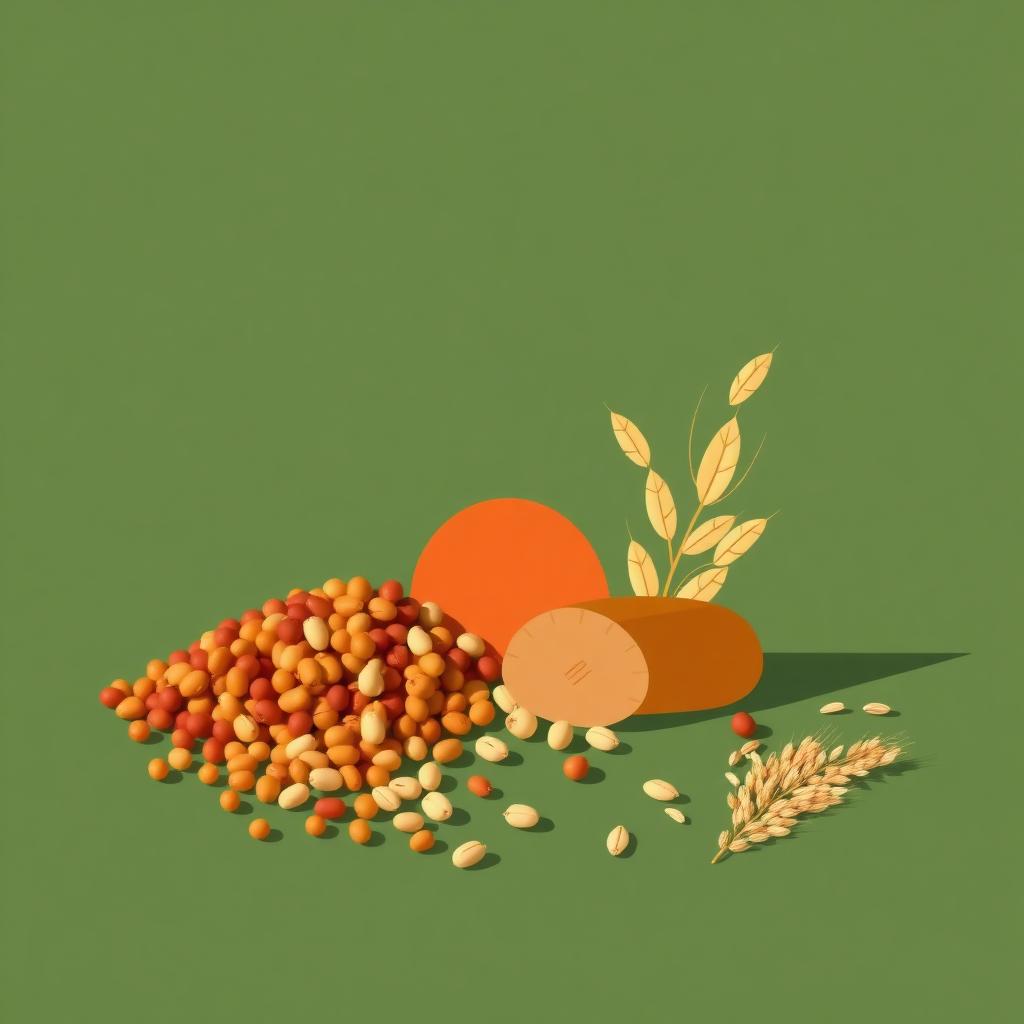
    Editorial illustration: Pulses & wholegrains
    2 / 7

    Pulses & wholegrains

    Lentils, chickpeas, oats, barley

    Fermentable fibres produce that activate the receptors.

    Level of evidence: strong
    Jørgensen JR et al., Eur J Clin Nutr 2023; Haigh L et al., BMJ Open 2025
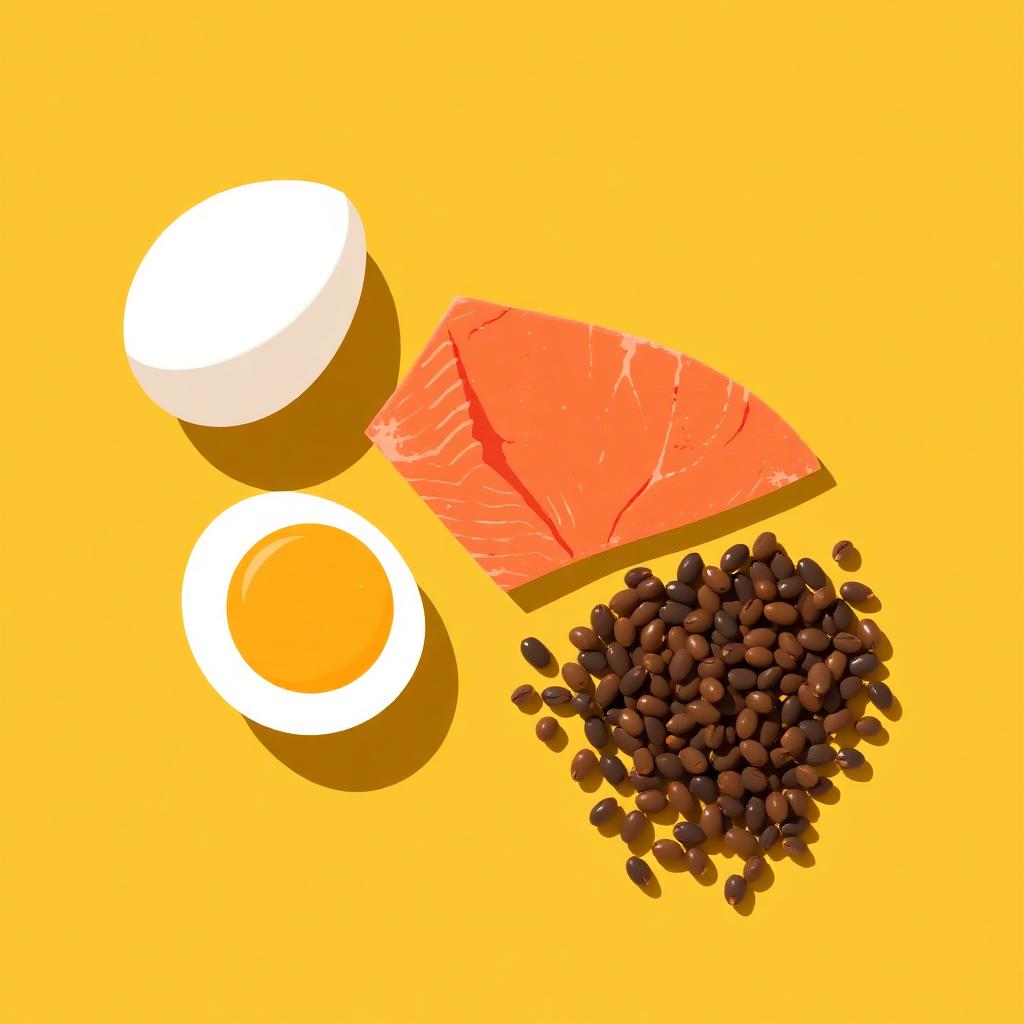
    Editorial illustration: Protein-rich foods
    3 / 7

    Protein-rich foods

    Eggs, fish, pulses, whey

    Amino acids released during digestion stimulate the directly. This is the most potent dietary GLP-1 stimulus documented to date.

    Level of evidence: strong
    Nutrients 2021 (PMC8634310); Neeland IJ et al., Obesity Pillars 2025
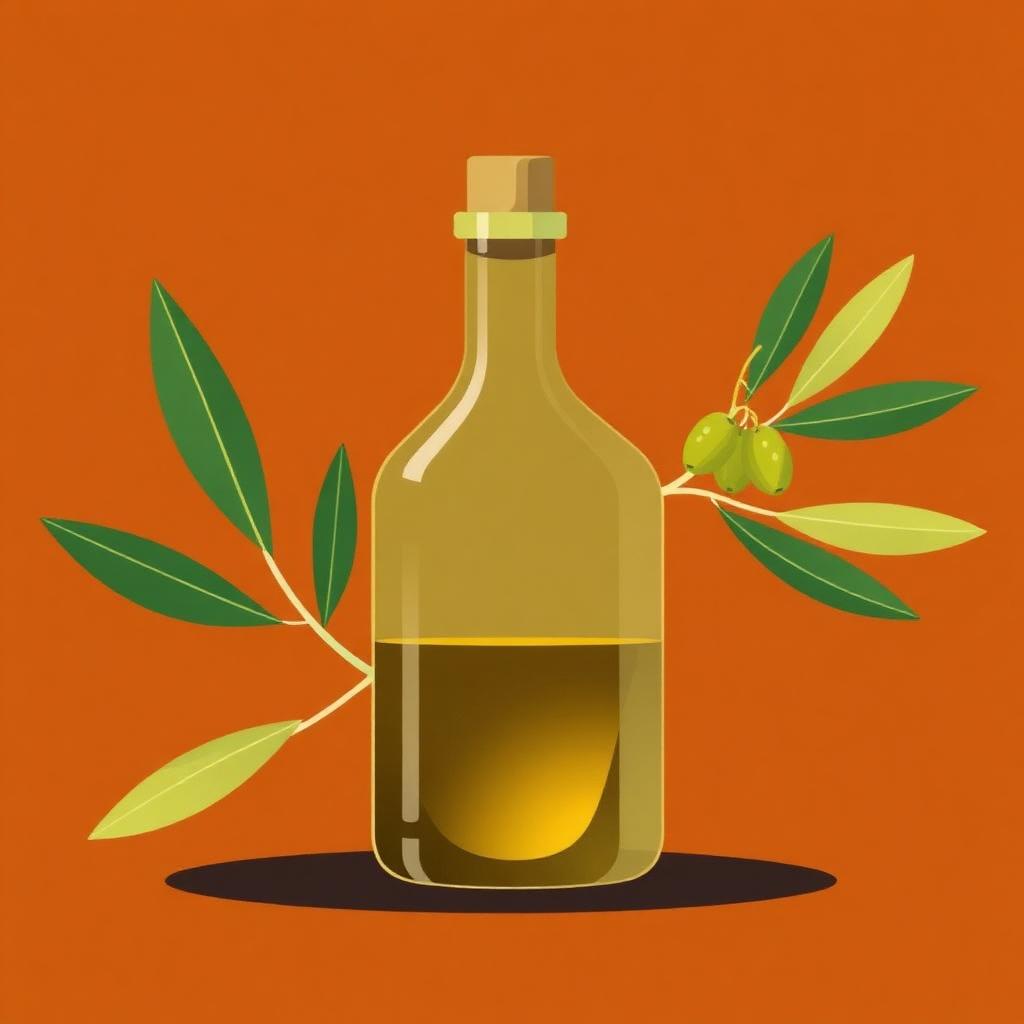
    Editorial illustration: Olive oil
    4 / 7

    Olive oil

    2-oleoylglycerol, released during the digestion of unsaturated fats, activates the receptor.

    Level of evidence: moderate
    Jiménez-Lucena R et al., Clinical Nutrition 2023 (APRIL trial)
    Editorial illustration: Fermented foods
    5 / 7

    Fermented foods

    Kefir, yoghurt, kimchi, sauerkraut

    and Lactobacillus species support L-cell density and activity. GLP-1 secretion has been shown in mice; in humans, the metabolic improvement is well documented.

    Level of evidence: moderate
    Depommier C et al., Nature Medicine 2019; Zhang Y et al., Cell Metabolism 2025
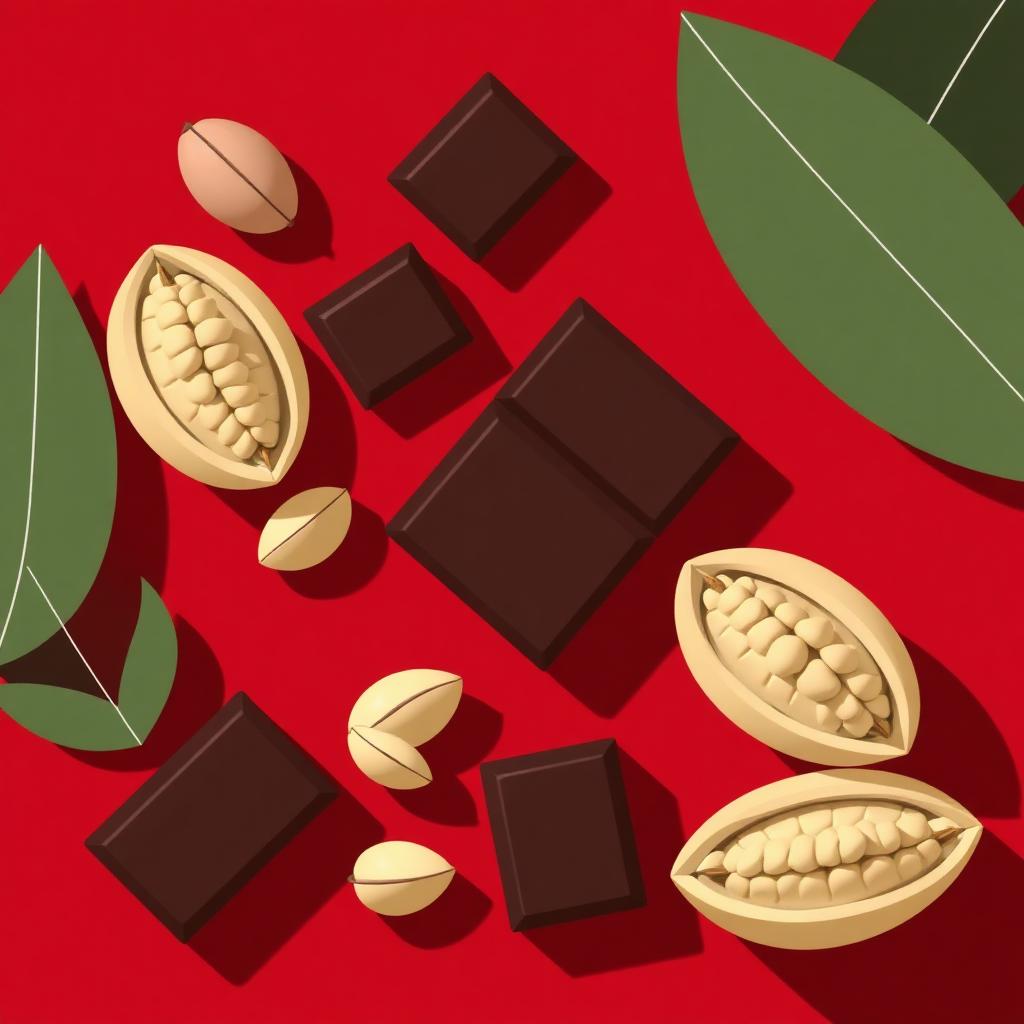
    Editorial illustration: Dark chocolate (85%+)
    6 / 7

    Dark chocolate (85%+)

    Cocoa polyphenols modulate post-prandial GLP-1 secretion. Effects are modest; data are preliminary.

    Level of evidence: weak to moderate
    Martínez-López S et al., Nutrients 2019 (preliminary data)
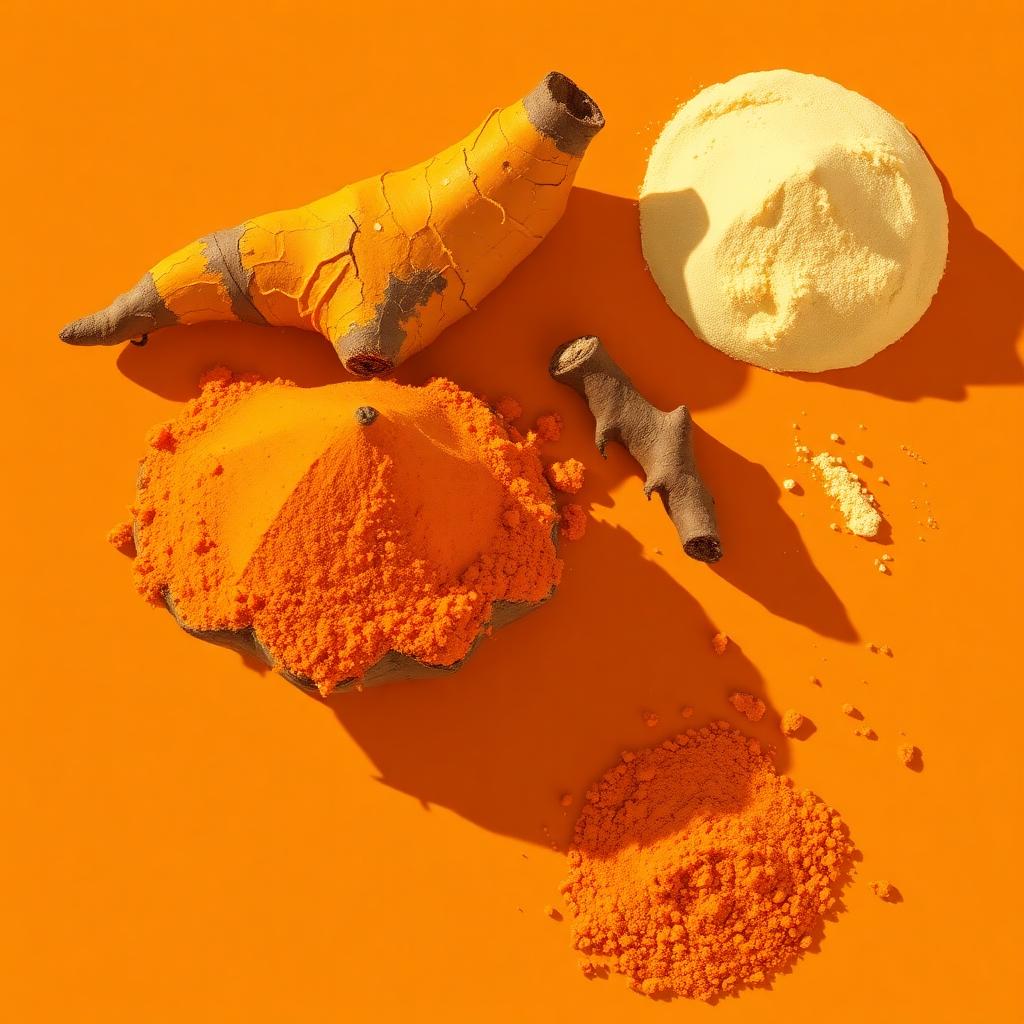
    Editorial illustration: Turmeric
    7 / 7

    Turmeric

    Curcumin stimulates GLP-1 secretion by through a calcium-dependent mechanism (CaMKII), with improved glucose tolerance shown in vivo.

    Level of evidence: weak to moderate
    Takikawa M et al., BBRC 2013; Kato M et al., Mol Nutr Food Res 2017
    What food adds on top

    Three things your plate does that GLP-1 analogues do not do on their own

    01

    It supports muscle preservation

    A protein-rich diet combined with resistance exercise is the leading strategy recommended to limit muscle loss during weight loss, including in people on GLP-1 therapy.
    Bikou A et al., Obesity Reviews 2024 (systematic review); Prado CM et al., Lancet Diabetes Endocrinol 2024 (commentary).

    02

    It works continuously, with no off-treatment rebound

    Endogenous is released at every meal, in physiological waves. There is no abrupt stop and no amplified return of appetite of the kind sometimes reported after discontinuing a synthetic analogue.

    03

    It feeds the microbiota that contributes to GLP-1

    The bacteria that help stimulate GLP-1 production depend on what you eat. Meals rich in fibre and fermented foods sustain them. An ultra-processed diet depletes them within weeks.

    Active exploration

    Does your plate support your body's own GLP-1?

    4 questions. One minute.

    Question 1 / 4

    Do you eat oily fish at least twice a week?

    Go deeper
    GLP-1: the clinical trials, explained

    What the STEP 1 to STEP 5 trials actually show about efficacy, side-effects, and the rebound after stopping.

    Explore endogenous GLP-1 and semaglutide

    This page is educational. Dietary effects on GLP-1 are documented mechanistically and in human studies, but the concentrations reached through food are not comparable to those of prescription medicines. This content is not medical advice and is not intended to diagnose, treat, cure or prevent any disease. Do not start, stop or change any medication without consulting your physician. Brand names are trademarks of their respective owners. Terms & disclaimer →

    Sources
    • Wilding JPH et al.. « Once-weekly semaglutide in adults with overweight or obesity (STEP 1) ». NEJM, 2021.
    • Wilding JPH et al.. « Weight regain and cardiometabolic effects after withdrawal of semaglutide (STEP 1 extension) ». Diabetes, Obesity and Metabolism, 2022.
    • Aronne LJ et al.. « Continued treatment with tirzepatide for maintenance of weight reduction (SURMOUNT-4) ». JAMA, 2024.
    • Neeland IJ et al.. « Changes in lean body mass with GLP-1-based therapies and mitigation strategies ». Diabetes, Obesity and Metabolism, 2024.
    • Bikou A et al.. « Strategies for minimizing muscle loss during use of incretin-mimetic drugs ». Obesity Reviews, 2024.
    • Prado CM, Phillips SM, Gonzalez MC, Heymsfield SB. « Muscle matters: the effects of medically induced weight loss on skeletal muscle ». Lancet Diabetes & Endocrinology, 2024 (commentary).
    • Hirasawa A et al.. « Free fatty acids regulate gut incretin GLP-1 secretion through GPR120 ». Nature Medicine, 2005.
    • Review. « Therapeutic exploitation of GPR120/FFAR4 signaling in obesity-related metabolic disorders ». Int J Mol Sci, 2025.
    • Jørgensen JR et al.. « Short-chain fatty acids and insulin sensitivity: systematic review and meta-analysis ». European Journal of Clinical Nutrition, 2023.
    • Haigh L et al.. « Legume intakes on cardiometabolic profile and gut microbiome function: systematic review and meta-analyses of RCTs ». BMJ Open, 2025.
    • Neeland IJ, Tsintzas K, Ahrén B et al.. « Pre-meal whey protein microgel supplementation reduces postprandial glycemia and appetite, RCT ». Obesity Pillars, 2025.
    • Jiménez-Lucena R et al.. « Oleocanthal/oleacein-rich extra virgin olive oil, APRIL randomised crossover trial ». Clinical Nutrition, 2023.
    • Everard A et al.. « Cross-talk between Akkermansia muciniphila and intestinal epithelium controls diet-induced obesity ». PNAS, 2013.
    • Depommier C et al.. « Supplementation with Akkermansia muciniphila in overweight and obese human volunteers ». Nature Medicine, 2019.
    • Zhang Y, Liu R, Chen Y et al.. « Akkermansia muciniphila supplementation in overweight/obese type 2 diabetes, RCT ». Cell Metabolism, 2025.
    • Martínez-López S et al.. « Flavanol-rich cocoa powder on postprandial cardiometabolic parameters in T2D, RCT crossover ». Nutrients, 2019.
    • Takikawa M et al.. « Curcumin stimulates GLP-1 secretion in GLUTag cells via CaMKII activation ». BBRC, 2013.
    • Kato M et al.. « Curcumin improves glucose tolerance via stimulation of GLP-1 secretion ». Molecular Nutrition & Food Research, 2017.

    Ce site utilise des cookies et collecte des données (e-mails, progrès dans les quiz) pour améliorer votre expérience. Lire notre politique de confidentialité.