
Nutrilexic
    Back to Peptides
    FR
    Nutrilexic · Peptides · GLP-1

    GLP-1,

    Before Ozempic, there was your gut

    Long before Ozempic or Wegovy made headlines, your gut was already secreting several times a day, at every meal. This exploration describes the natural cascade, what semaglutide copies from it, and what it turns into a continuous mechanism that has nothing alimentary left.

    Peer-reviewed sources, informed by the clinical experience of naturopaths.

    1 · What pulls GLP-1 out of your cells

    Three food families, three signalling routes

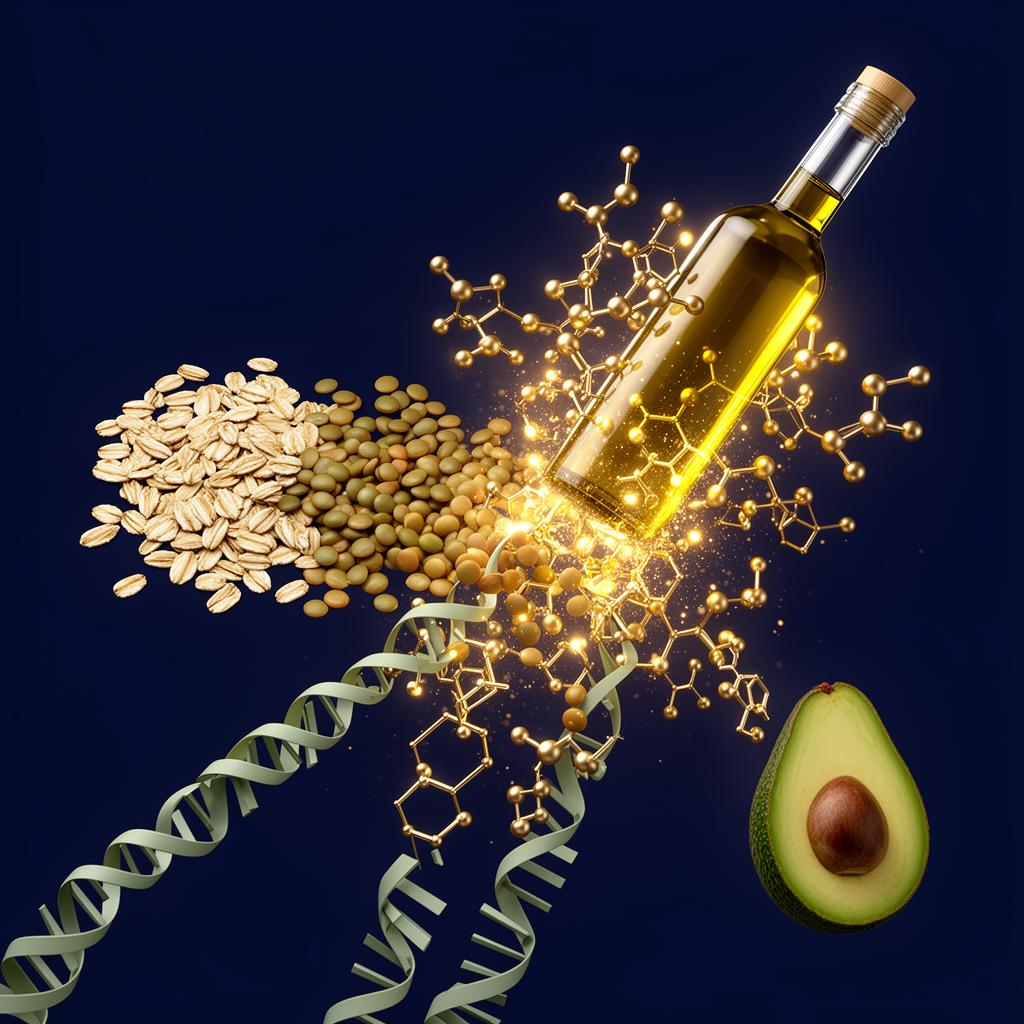
    Watercolor of GLP-1-boosting foods: oats, lentils, avocado, olive oil, chickpeas

    The intestinal respond to three distinct types of stimulus. Knowing these levers lets you build a meal that genuinely prolongs satiety, without relying on a drug. Swipe to compare.

    Trigger 1

    Fermentable fibres

    Examples
    Oats, legumes, chicory inulin, psyllium
    Mechanism
    Fermented in the colon into acetate, propionate, butyrate which activate FFAR2/FFAR3 on L cells
    Observed effect
    GLP-1 secretion several hours after the meal
    Evidence level
    Strong human evidence

    Source : Chambers ES et al., Gut, 2015
    Trigger 2

    Quality proteins

    Examples
    Eggs, fish, legumes, whey
    Mechanism
    Amino acids (leucine, glutamine, phenylalanine) directly stimulate the L cells of the ileum
    Observed effect
    GLP-1 peak within 30 to 60 minutes
    Evidence level
    Strong evidence

    Source : Belza A et al., Am J Clin Nutr, 2013

    Trigger 3

    Long-chain lipids

    Examples
    Olive oil, avocado, nuts and seeds
    Mechanism
    Mono-unsaturated fatty acids activate the GPR40 and GPR120 receptors on L cells
    Observed effect
    Prolonged GLP-1 secretion
    Evidence level
    Moderate evidence

    Source : Beysen C et al., Diabetologia, 2002

    2 · The cascade, minute by minute

    From meal to the brain's satiety signal

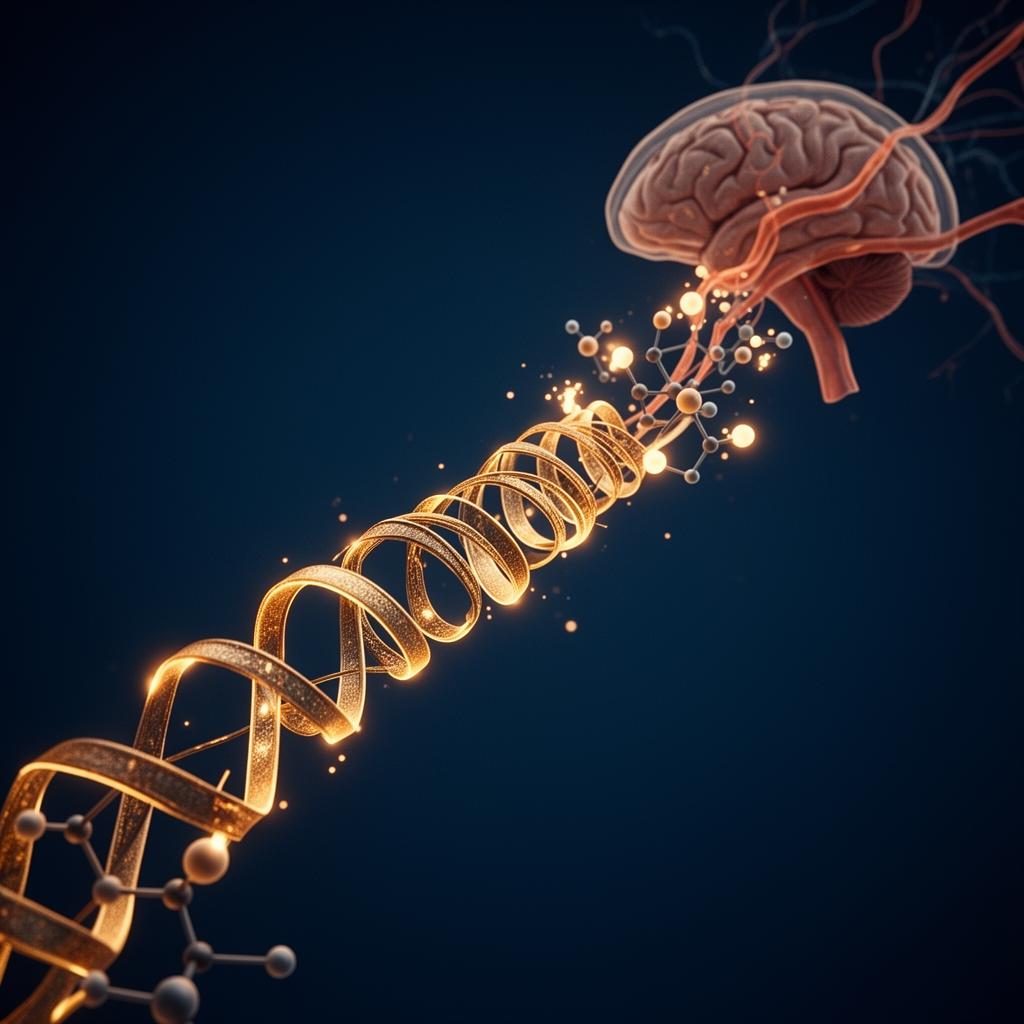
    Watercolor silhouette with soft waves from the gut to the brain, symbolizing the GLP-1 cascade

    GLP-1 is not a continuous signal: it is a succession of waves. The first one starts 15 minutes after the meal; the last one can last several hours if you have fed your . Understanding this timing changes how you read hunger.

    T0

    The meal arrives

    You lift the fork to your mouth. At this stage your brain is already anticipating: the cephalic phase triggers a little insulin. But the main hormonal cascade starts lower, in the stomach and intestine.

    T+15min

    First signal in the duodenum

    Nutrients reach the small intestine. The first of the proximal ileum detect amino acids and fatty acids. starts being released into the bloodstream.

    T+30min

    Secretion peak

    Blood GLP-1 peaks at roughly 20 to 30 picomoles per litre. The hormone acts on the pancreas (glucose-dependent insulin), the stomach (slowed ) and the hypothalamus (satiety).

    T+45min

    Inactivation by DPP-4

    The circulating enzyme cleaves the first two amino acids of GLP-1 and inactivates it. Native GLP-1's half-life is under two minutes. The satiety signal fades fast.

    T+2h to T+6h

    Second wave, from the colon

    If the meal contained fermentable fibres, they now reach the colon. The microbiota turns them into , which trigger a second wave of L cells. Satiety naturally extends for several hours.

    Peptides · GLP-1 & satiety

    GLP-1: can the plate rival Ozempic?

    What comparing food and GLP-1 agonists really tells us about satiety.

    The body makes GLP-1 every time we eat. Some foods (protein, soluble fibre, bitters) trigger a strong response, others almost none. Drugs like Ozempic pharmacologically amplify this signal — but not without cost.

    This section compares both paths point by point: potency, side effects, durability, cost, rebound on discontinuation. And details the plate levers (food order, viscous fibres, protein) that stimulate endogenous GLP-1.

    Plate vs Ozempic
    Honest comparison.
    Foods that trigger
    Top secretagogues.
    Side effects
    What's downplayed.
    Post-drug rebound
    Why 2/3 regain.

    Referenced clinical sources · not medical advice

    Access all Nutrilexic explorations for 7 days. Protocols, dosages, clinical trade-offs, evidence-based phytotherapy, in-depth articles

    Secure payment · No subscription · No auto-renewal

    Sources
    • Drucker DJ. « Mechanisms of action and therapeutic application of glucagon-like peptide-1 ». Cell Metabolism, 2018.
    • Wilding JPH et al.. « Once-weekly semaglutide in adults with overweight or obesity (STEP 1) ». New England Journal of Medicine, 2021.
    • Rubino D et al.. « Effect of continued weekly semaglutide vs placebo on weight maintenance (STEP 4) ». JAMA, 2021.
    • Lincoff AM et al.. « Semaglutide and cardiovascular outcomes in obesity without diabetes (SELECT trial) ». New England Journal of Medicine, 2023.
    • Ryan DH et al.. « Long-term weight loss with semaglutide up to 4 years (SELECT 208-week analysis) ». Nature Medicine, 2024.
    • Aronne LJ et al.. « Tirzepatide as compared with semaglutide for the treatment of obesity (SURMOUNT-5, 72 weeks) ». New England Journal of Medicine, 2025.
    • Wilding JPH et al.. « Weight regain one year after semaglutide withdrawal (STEP 1 extension) ». Diabetes, Obesity and Metabolism, 2022.
    • Chambers ES et al.. « Targeted delivery of propionate to the human colon: appetite, body weight, adiposity ». Gut, 2015.
    • Belza A et al.. « Contribution of gastroenteropancreatic appetite hormones to protein-induced satiety ». American Journal of Clinical Nutrition, 2013.
    • ANSM. « Semaglutide: risks linked to off-label misuse ». French Medicines Safety Agency, 2023.
    To go further
    Peptides and mitochondria: the molecular key

    Another family of peptides, this time secreted by your own mitochondria, controls cellular energy. A parallel exploration to widen the map.

    Explore Peptides and mitochondria

    Ce site utilise des cookies et collecte des données (e-mails, progrès dans les quiz) pour améliorer votre expérience. Lire notre politique de confidentialité.