Nutrition exploration
Sardines: bioavailable EPA & DHA, marine collagen, cell membrane fluidity
Why this little can is a treasure, and how to choose it well.

Nutrition
Exploration · Nutrition
One of the most useful foods for daily life. Here is why, and above all how to pick a good one.
Scroll horizontally below, or use the arrows.
Nutrition exploration
Why this little can is a treasure, and how to choose it well.

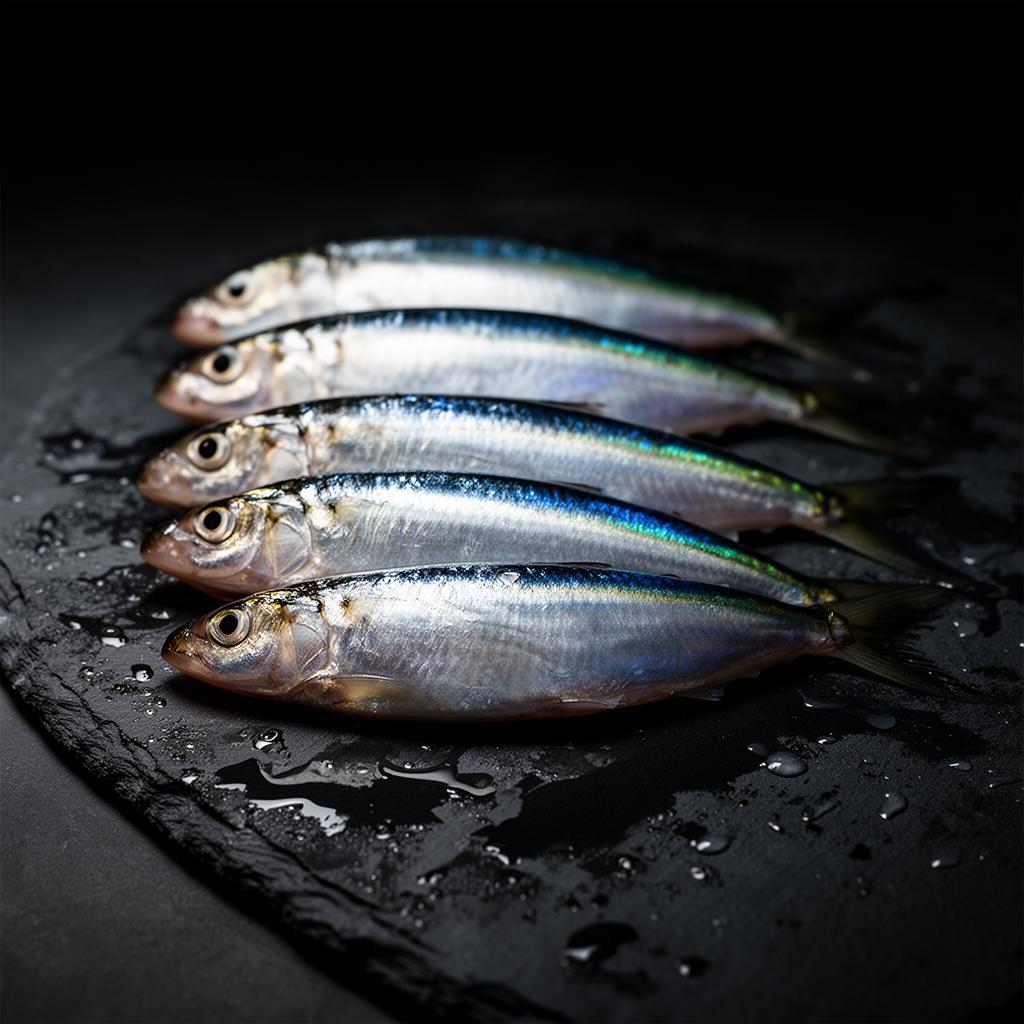
Sardines caught between July and September are the fattest of the year. And that is good news: this is exactly the fat that makes them so valuable for the brain and the heart.
In summer they feast on plankton that is itself rich in good fats. The fish stores it, and we benefit. A summer sardine has little in common with a winter one : it is really that simple.

Not all seas are alike. Some are more polluted, others much less.
Good news: sardines are small fish, low in the food chain. They accumulate far fewer heavy metals than tuna or swordfish. Still, take a look at the origin on the tin. The Basque Country, for example, is a lovely fishing area.
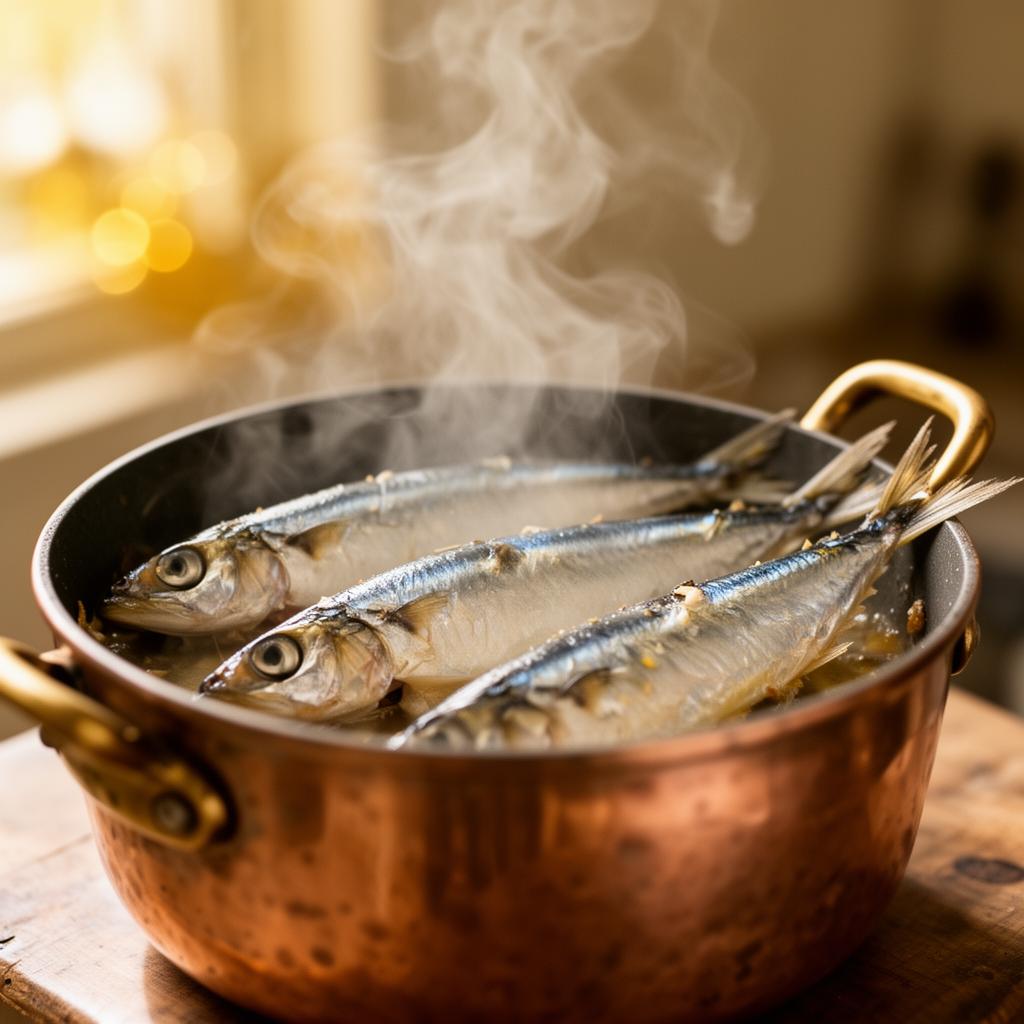
Before ending up in the tin, sardines are cooked. And here, two schools. The best brands steam them gently, to protect the good fats in the fish.
Others fry them. The problem: the fats heat up too much, get damaged, and part of what we came for turns into something we do not want on our plate. In short: skip the fried sardines.
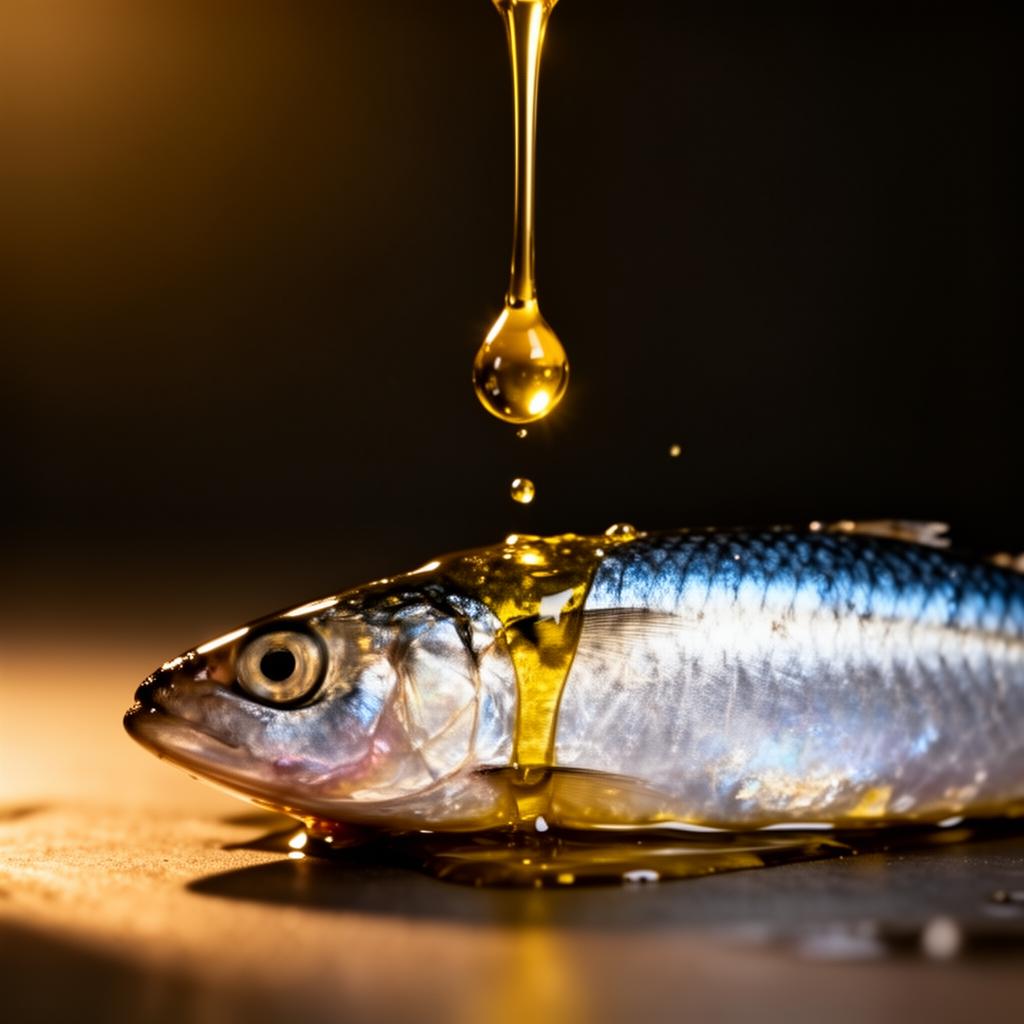
Look at the label. If it says sunflower oil, put the tin back. Sunflower is already everywhere in our diet, it tips the balance the wrong way and cancels a good part of the fish's benefit.
What you want is virgin olive oil, plain and simple. It brings its own good fats, protects the fish oils during storage, and the taste is on another level.
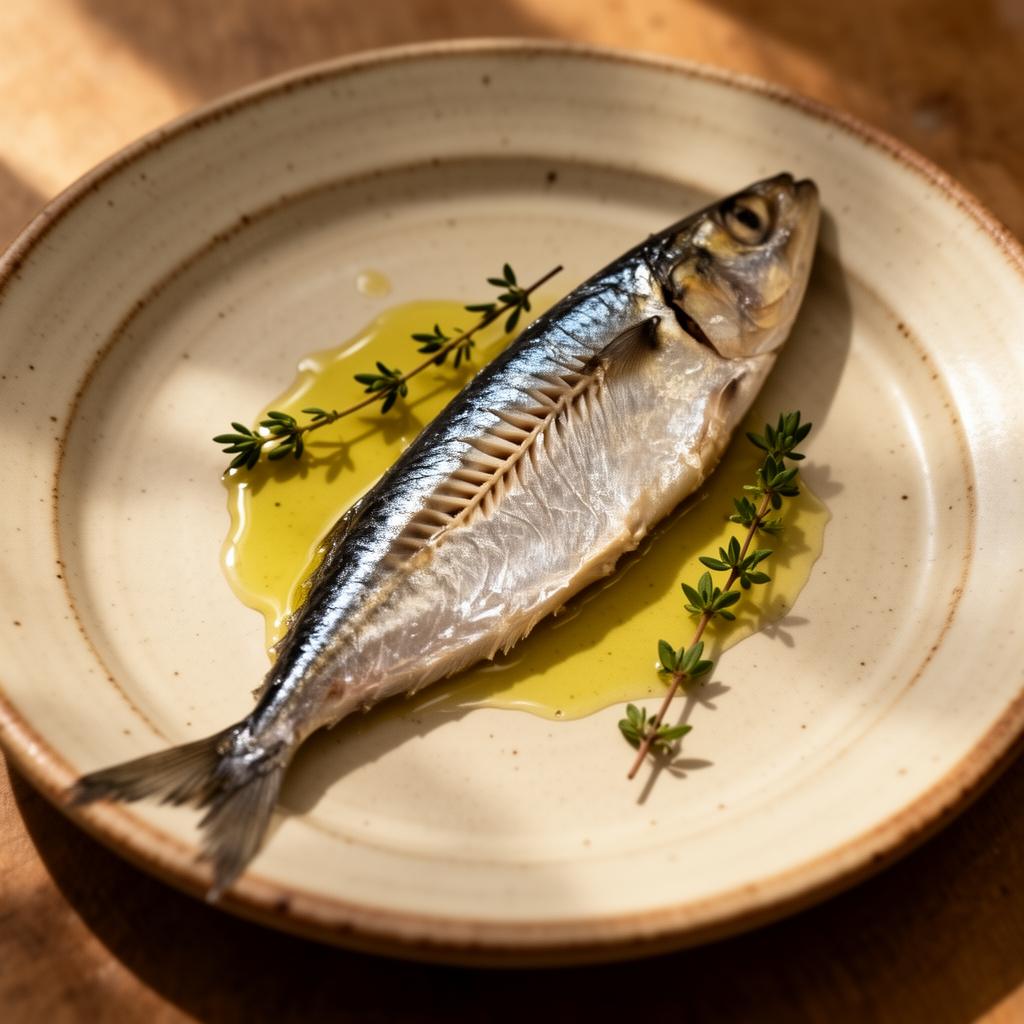
The sardine is a little concentrate. In a single serving you get complete protein, good fats, calcium, iron, vitamin D, B12, iodine. Almost everything a body loves, all in one mouthful.
The trick is to eat it whole, with the soft bones and the skin. The bones bring calcium and a little marine collagen, well absorbed, which nourishes skin and joints.
A whole sardine does much better than a fish oil capsule: everything is there, together, and our body knows exactly what to do with it.
The good fats in sardines do not just feed us. They settle, literally, in the walls of our cells. Like a fresh coat of plaster on a wall, they change the way everything communicates inside.
The brain loves this. Its neurons are built with these fats. When we get enough of them, memory, mood and sleep feel better. No medication needed, just what is in the tin.
The heart, the vessels, the skin, the joints, the eyes, the immune system, fertility: everywhere, the same good fats do good.
Wherever one cell needs to talk to another, a supple membrane changes things. This is also how sardines quietly calm the low-grade inflammation that lingers in the body.
Fair question. Flaxseed, walnuts, rapeseed do contain an omega-3, but not the same one as fish. Our body has to convert it before it can be used, and that conversion works poorly for everyone. At best 5 to 10 % gets through.
For some people, it works even less well. It is a matter of genetics, perfectly normal, but it changes everything. These people can eat all the walnuts they want, their brain will still lack the good marine fats.
There are many of them: between 5 and 40 % of us. For these profiles, sardines (or another small oily fish) are not a choice. They are a real need.
Curious which side you are on? Genetic terrain.
Five criteria to check on the label.
To go further:
?Test your knowledge3 levels to lock in what you just read.Anti-inflammatory nutritionFit the sardine into a plate that calms the terrain.Educational content. Does not replace personalised medical advice.
Reference publications used in this exploration
How they act on the heart, the brain, the joints, and far beyond.
Omega-3 fatty acids are essential lipids that the body cannot synthesise on its own. They must come from food or supplements. Three of them matter most: ALA (alpha-linolenic acid) found in flaxseed, walnuts and rapeseed oil, and the two active forms, EPA (eicosapentaenoic acid) and DHA (docosahexaenoic acid), mainly from oily fish and algae.
Their roles are multiple: anti-inflammatory, cardiovascular protection, essential to brain development and function, and beneficial for the joints. Here is what recent peer-reviewed science says (2024-2026 synthesis).
EPA and DHA act on several cardiovascular levers:
DHA is the main component of neuronal membranes and accounts for up to 30% of brain lipids. It is crucial for:
Omega-3s act on osteoarthritis and rheumatoid arthritis by:
DHA is the main fatty acid in the retina. In adults it protects against age-related macular degeneration (AMD).
Omega-3 and omega-6 share the same enzymes. An omega-6 excess promotes inflammation. Ideal ratio: omega-6 / omega-3 < 4:1 (vs 15:1 to 20:1 in Western diets).
| Type | Rich in EPA/DHA | Rich in ALA |
|---|---|---|
| Animal | Salmon, mackerel, sardines, anchovies, herring | , |
| Plant | Algae (DHA), krill oil | Flaxseed, chia, walnuts, rapeseed |
Omega-3s, especially EPA and DHA, are indispensable for cardiovascular, brain and joint health.
To get the most out of them:
Sufficient omega-3 intake may be one of the keys to ageing well, for both body and mind.
Source: peer-reviewed publication synthesis, pubmed.ncbi.nlm.nih.gov
Ce site utilise des cookies et collecte des données (e-mails, progrès dans les explorations) pour améliorer votre expérience. Lire notre politique de confidentialité.