
Sound acts on the brain.
Rhythm, melody, frequencies: the brain responds directly — dopamine, hippocampus, vagus nerve. Here's all of Nutrilexic's sound work to calm down, focus, train your memory, or simply understand.
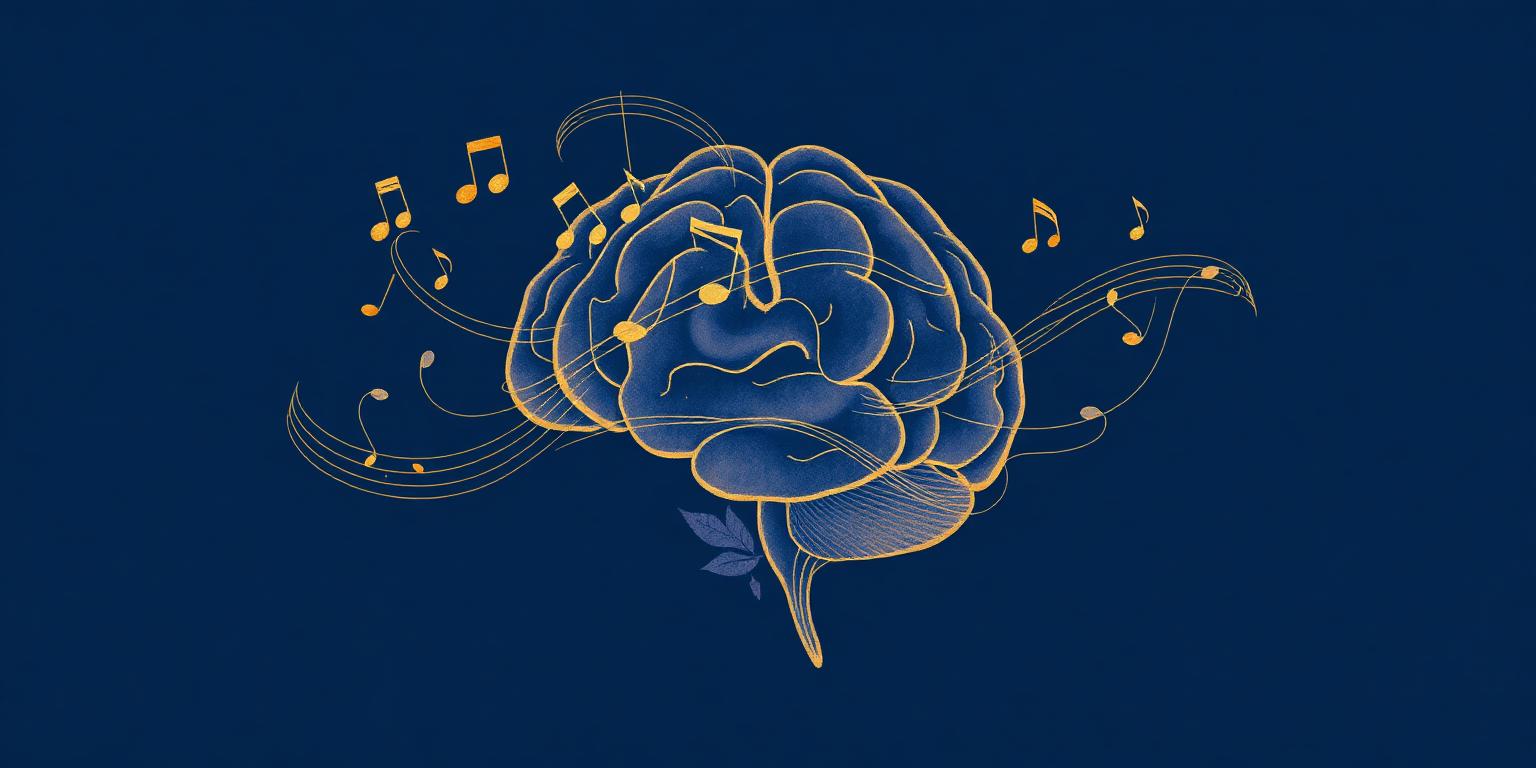
Your goal right now:
Calm down
Soothe the nervous system, activate the parasympathetic.
Guided breathing
Pick a practice, the exercise opens in one tap.
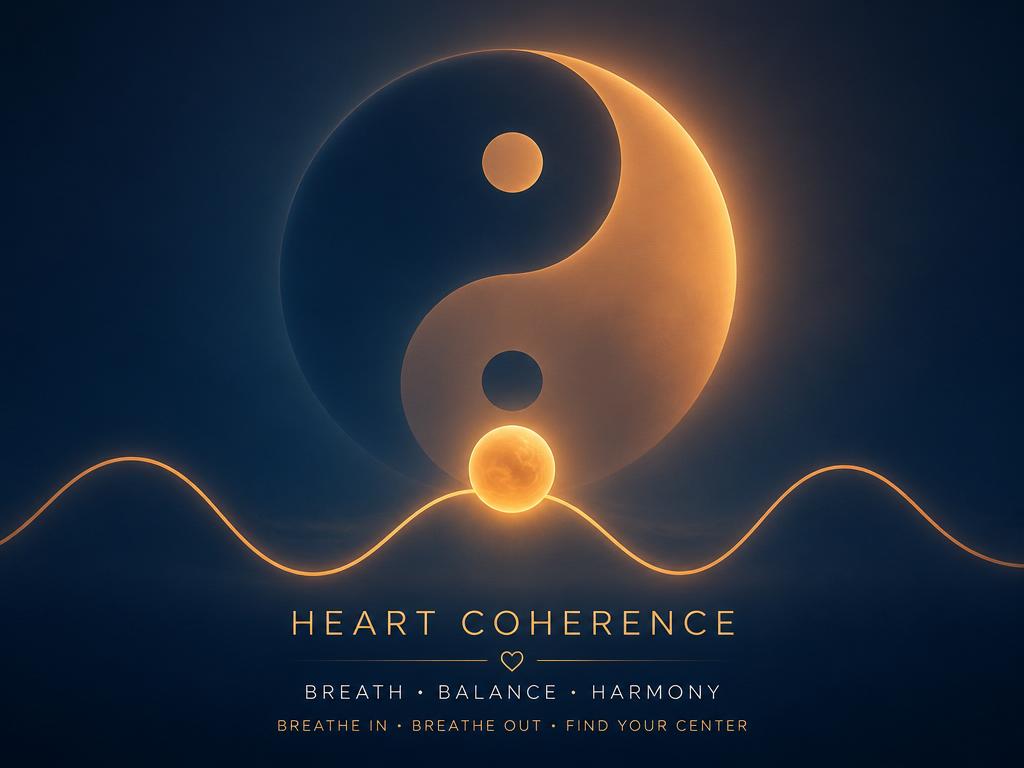

Wellness practice. In case of cardiac or respiratory condition, seek medical advice.
Focus up
Capture dopamine, enter flow state.
Train memory
Auditory plasticity, working memory, hippocampus.
Understand
The science behind how sound rewires the brain.
Music & brain · Mechanism
What music does to the brain
Sound is not just an auditory stimulus. It travels through several brain circuits in parallel, and each explains part of the effect you feel.
Auditory cortex, first stop
Any sound is first processed by the auditory cortex in the temporal lobe, where rhythm, pitch and timbre are decoded within milliseconds — long before you consciously register the sound.
The reward circuit
Listening to music you enjoy activates the dopaminergic system, particularly the nucleus accumbens — the same circuit involved in anticipation of pleasure. A landmark study (Zatorre & Salimpoor) showed dopamine peaks just before the most anticipated moment of a track, not only during it. This explains musical chills and the motor pull of certain rhythms on focus.
Vagus nerve & parasympathetic system
Certain low frequencies and slow tempos activate the vagus nerve, which drives the parasympathetic response. Heart rate slows, cortisol drops, breathing naturally lengthens. This is the core mechanism behind calming soundscapes (Vagus & Sound, Musical Garden).
Hippocampus & memory
Learning a melody note by note engages the hippocampus, central to working memory and long-term consolidation. Repeating a rhythmic or melodic sequence reinforces the associated synaptic connections — the same plasticity principle used in cognitive rehabilitation.
Brain waves & gamma stimulation
Research explores 40 Hz sound and light stimulation, in the gamma band, for its potential effect on proteins associated with Alzheimer's disease (MIT study). This topic feeds many videos and social posts, often without clear scientific grounding. On Nutrilexic, each exercise draws on identifiable research, not marketing.
In summary
Music acts simultaneously on hearing, reward, the autonomic nervous system and memory. Each exercise on this page targets one of these levers in particular — not music in general.
This content is informational and does not replace medical advice.
Ce site utilise des cookies et collecte des données (e-mails, progrès dans les explorations) pour améliorer votre expérience. Lire notre politique de confidentialité.