
The 5 physiological levers of digestion
Chewing, the first digestive act. grinds, mixes with saliva and warns stomach, liver and pancreas that a meal is coming. Swallowing fast means asking the gut to do alone what the mouth was meant to start. Most postprandial bloating disappears when chewing time is tripled.
The vagus nerve, silent conductor. The drives digestive motility, gastric secretions and the return to calm. Eating standing, walking, in front of a stressful screen mutes it. A few minutes of slow breathing before a meal often reactivates it, free and immediate.
The microbiota, rich or starved. A diverse ferments fibre into , which feed colon cells and reinforce the barrier. A starved microbiota, ultra-processed diet or repeated antibiotics, produces mostly gas and inflammation. Diversity is built by diversity, 30 different plant foods per week, not by an enriched yoghurt.
Gut mucus, the often-forgotten barrier. separates our cells from bacteria and prevents bacterial fragments from leaking into the blood. When fibre is missing, some bacteria graze on it, the barrier thins, rises, and silent inflammation sets in.
Motility between meals. Between two meals, the sweeps the small intestine to prevent colon bacteria from stagnating there. Constant snacking blocks it from triggering: one of the discreet causes of and chronic bloating. Leaving 4 to 5 hours between meals, without drama, often changes things.
Going one step further
What a functional naturopath learns to distinguish
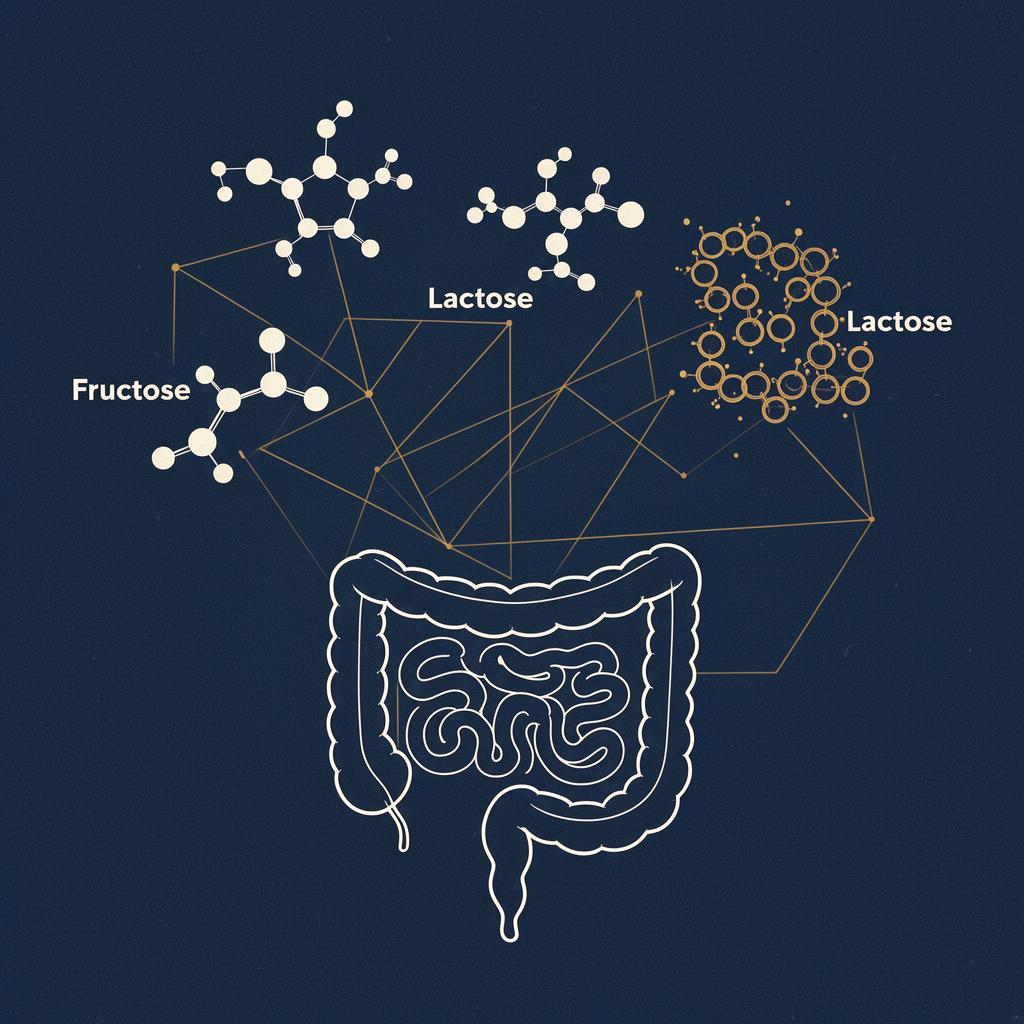
What a functional naturopath learns to orchestrate
What a functional naturopath learns to soothe
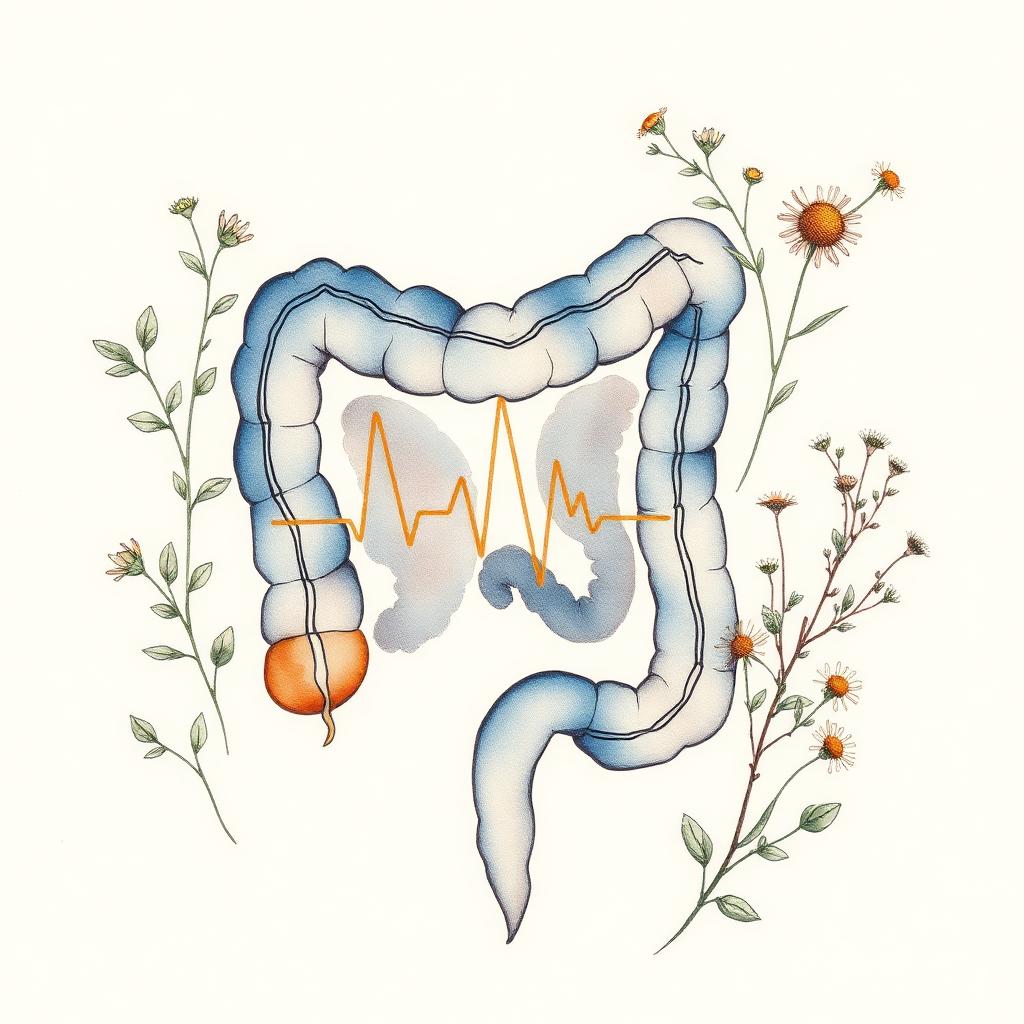
What a functional naturopath listens to
When to see a doctor
Bleeding, unintended weight loss, night pain, fever, persistent digestive issues after 50: any alarm sign deserves a medical opinion. This hub is here to help understand physiological levers, not to replace investigation when it's needed.
Digestion: the 5 myths
Chewing, water at meals, yoghurt, plant diversity, motility, mucus: ten trap questions on the five physiological levers of digestion. SIBO, FODMAP and PPIs: in the dedicated exploration.
Take the explorationGo further
Five science-vetted explorations to dive into each of the levers raised here.
SIBO, SIFO, IBS
Bacterial overgrowth, fungal overgrowth, irritable bowel: untangling small-intestine dysbioses and choosing the right approach.
Read Digestion · ExplorationFODMAPs exploration
10 trap foods to test your bearings on fermentable carbs, useful before or during a SIBO protocol.
Read