
The 5 main causes of fatigue
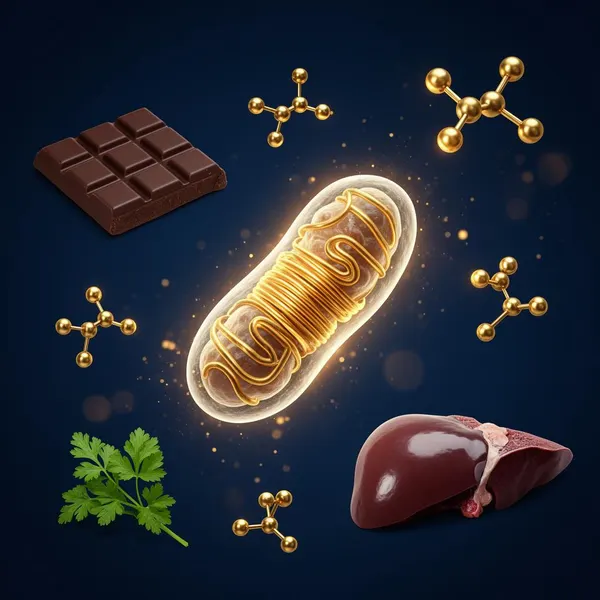
Our cellular energy. Each cell makes its own energy in tiny power plants, the , which produce from what we eat and breathe. When the right fuels run low (, , ), or when these plants get clogged, the body idles. It's often the first cause to explore.
Our stress, quietly. The runs our stress response. In good health it pushes high in the morning to wake us, then lets it drop in the evening. Under chronic stress this flips: we wake up drained, and at night we feel "wired" yet unable to rest. The body loses its recovery window.
Our internal thermostat. The sets the speed of our metabolism: temperature, heart rate, energy. When it slows down, everything else slows with it, often very quietly at first. It is a common cause of fatigue, especially in women, and easy to miss if no one looks for it.
Our sleep, quality over duration. Sleeping for 8 hours is no use if is missing. That's the phase that repairs muscles, restores the immune system, and clears the brain. An overheated room, a glass of wine, a late bedtime are enough to wipe it out almost entirely.
An inflammation we don't see. A keeps our immune system busy day and night. It doesn't hurt, doesn't show, but burns a great deal of energy. Ultra-processed food, a sensitive gut, diffuse joint aches: many quiet signals worth listening to.
Going one step further
Markers we can ask for
With persistent fatigue, a few blood markers already open many leads: ferritin, vitamin , vitamin D, , and a to catch silent inflammation. None is enough on its own, but together they sketch a clear map.
The coffee trap
Coffee doesn't give energy: it masks fatigue by blocking the receptors that tell us we're tired. Drunk too often or too late, it disrupts deep sleep, deepening the very fatigue it was meant to fix.
Moving to feel energised
Regular physical activity, even moderate, increases both the number and the efficiency of our . It is one of the rare levers that acts on almost every cause at once: cellular energy, , sleep, inflammation.
When to see a doctor
Fatigue that lasts more than a few weeks despite rest, or comes with weight loss, breathlessness or mood changes, deserves a medical opinion. This hub is here to help understand, not to diagnose.
Exploration: the 5 hidden causes
Coffee, ferritin, 'marine' magnesium, adrenal fatigue: 10 questions to sort truth from marketing
Start the explorationGo further
Four science-vetted explorations to dive into the threads raised here.
The Mitobiote (also known as the mitochondrion)
The power plant inside your 37 trillion cells. Without it, no ATP, no life, no you.
Read MicronutritionMagnesium yes, but which one?
Oxide, bisglycinate, citrate. The anti-marketing guide
Read ThyroidThyroid and genetics: listening to body signals
6 progressive levels: gland, T4/T3 hormones, DIO2 gene, micronutrients. With a symptom-listening journey.
Read