
What actually happens inside the ADHD brain
Not a lack of willpower. A different dopaminergic signalling, a prefrontal cortex that regulates differently, a denser DAT transporter. The neurobiology of adult ADHD, without jargon.
Content verified against PubMed, Lancet Psychiatry and Nature Reviews Neuroscience 2024-2025.
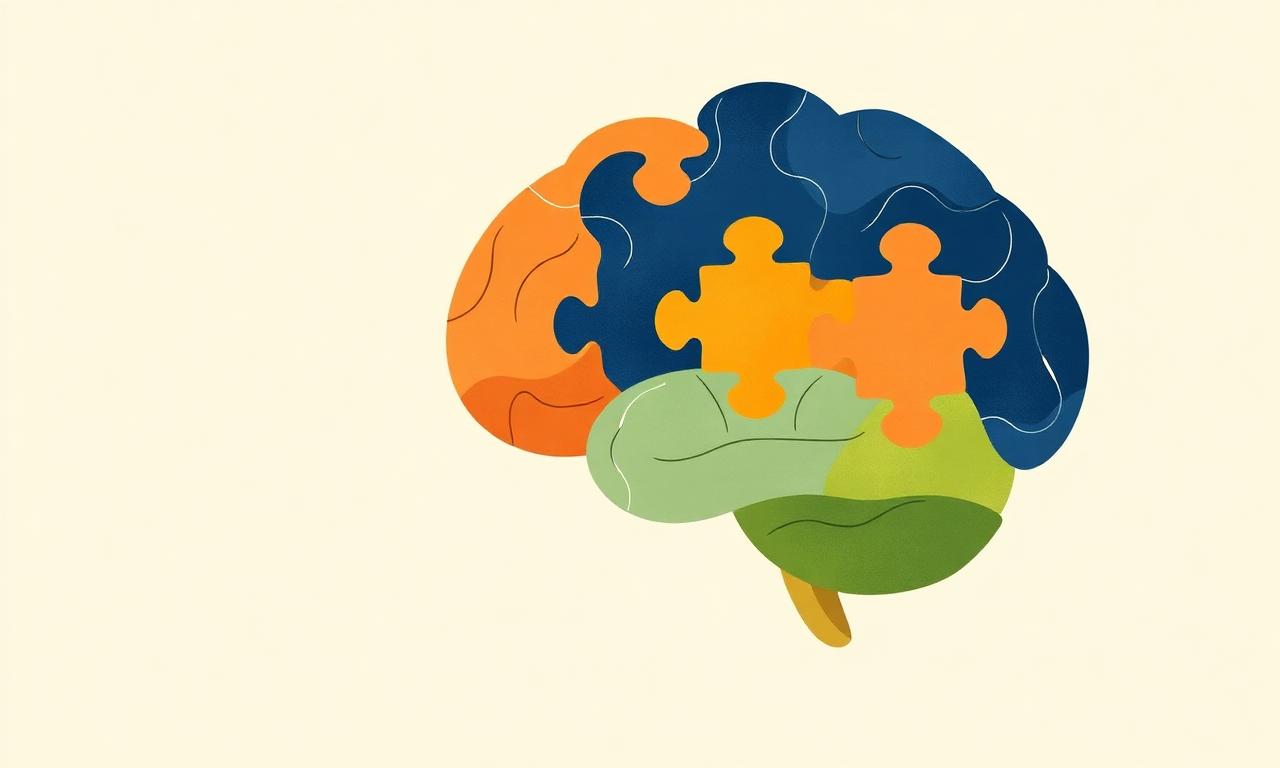
is not the molecule of pleasure. It is the molecule of anticipation, of moving toward an expected reward. In the brain, this signalling is less efficient in the that govern sustained attention and motivation for tasks without immediate reward.
Concrete result: anything new, urgent, intense or emotionally loaded triggers a compensatory dopaminergic spike and suddenly becomes accessible. Anything repetitive, slow or under-stimulating slips out of reach. Novelty seeking is not a whim, it is a neurobiological strategy to reach a functional threshold.
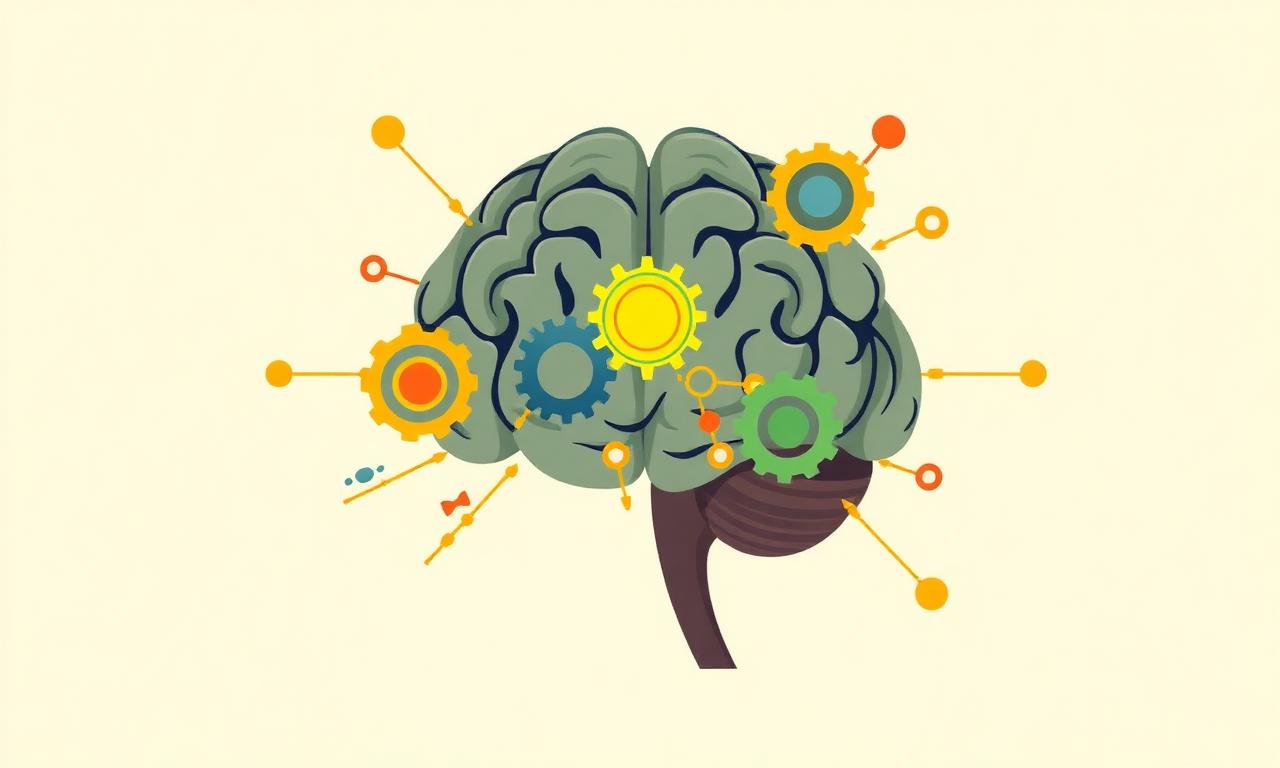
The orchestrates : planning, inhibiting an automatism, holding information active in , switching from one task to another. Functional imaging in adults with documents reduced and less sustained activation of this region during executive tasks, alongside delayed adolescent maturation whose traces persist into adulthood.
Concretely, filtering incoming information costs more, working memory saturates faster, and emotional regulation depends more heavily on context. This is not a deficit of raw capacity, it is a conductor who has to redouble effort to hold the beat.
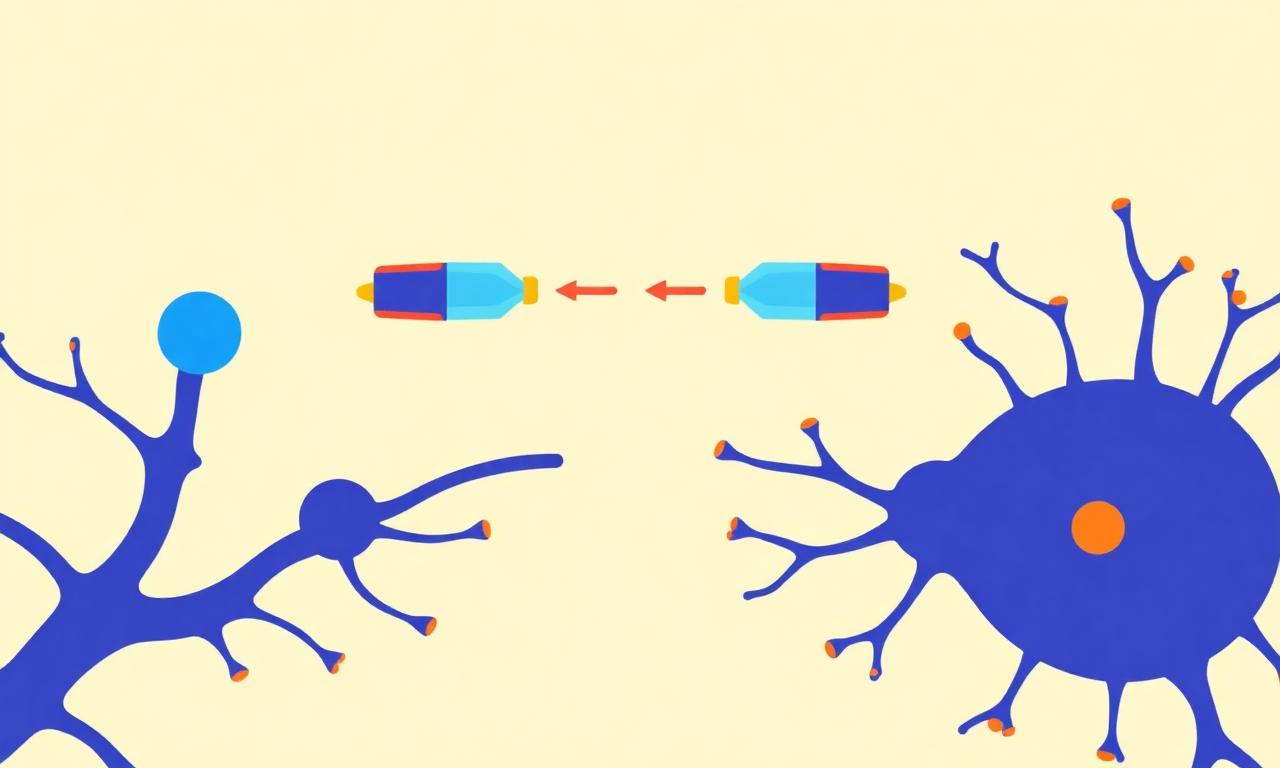
The transporter, or DAT, recycles released dopamine by pulling it back into the presynaptic neuron. Several PET imaging studies document increased DAT density in the of adults with , particularly in the . Released dopamine is therefore recaptured faster and stays available for less time to activate postsynaptic receptors.
This is exactly what targets: by blocking DAT, it extends dopamine's time in the and restores a more stable signal. Understanding this target is understanding why this molecule works precisely where the ADHD neurobiological profile makes it useful.

is not the opposite of attention deficit, it is its hidden face. When a stimulus triggers a sufficient dopaminergic release (genuine passion, urgency, cognitive challenge, fast gratification, gaming, captivating conversation), the system flips. The becomes fully engaged, and attention locks in with an intensity that neurotypical profiles rarely reach.
The trap is not hyperfocus itself, it is its involuntary side: inability to disengage, loss of time perception, neglected basic needs. Learning to direct it, rather than wait for it or endure it, is one of the major cognitive levers in adult .
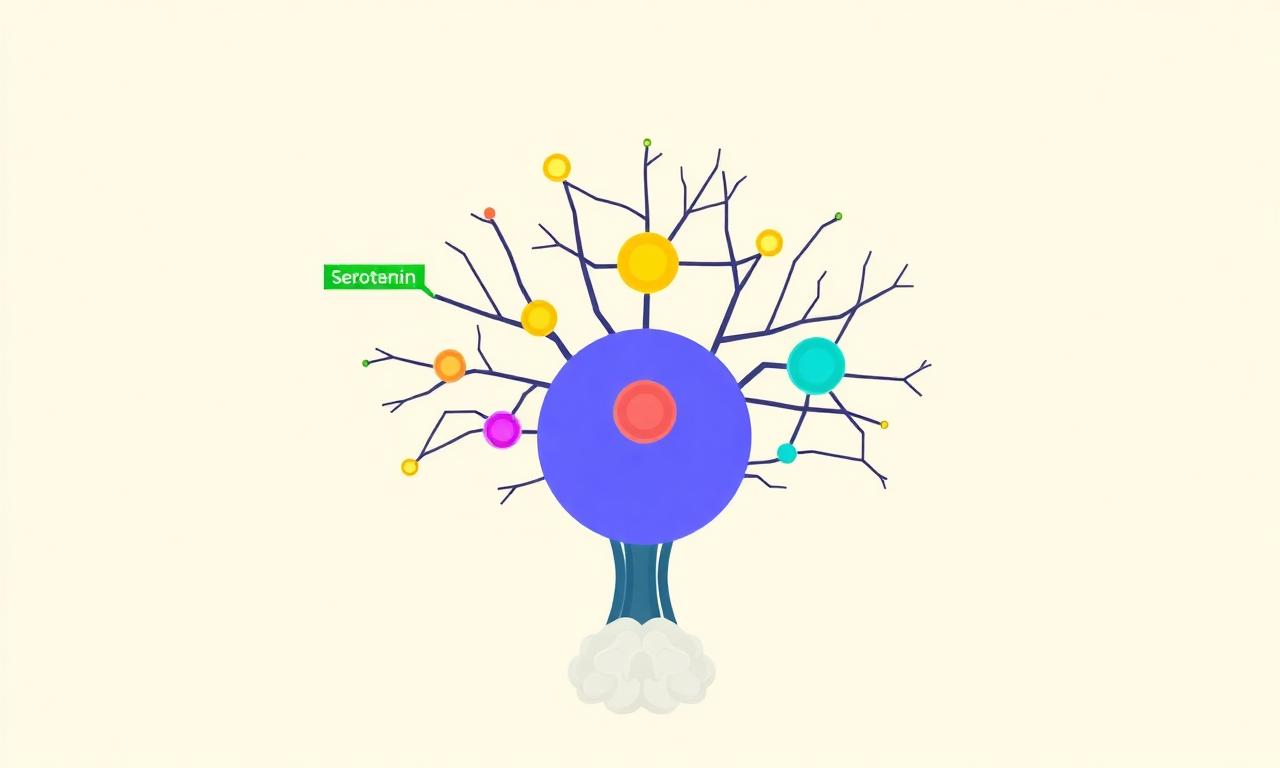
is not alone. , released by the , regulates alertness and vigilance: its functional deficit contributes to the difficulty in sustaining cognitive wakefulness over time. is involved in emotional regulation and impulsivity, which sheds light on the frequency of anxious and depressive comorbidities.
Beyond neurotransmitters, it is the frontostriatal network and its connections with the that show functional particularities. is not a local deficit but a network signature, and that is why no single intervention (medication, nutrition, exercise, therapy) covers everything. The levers stack.
Found this article useful?
Share it with someone who might need it.
Go further
Frequently asked questions
- Is ADHD a dopamine deficiency?
- Not exactly. The ADHD brain does not lack dopamine globally, but its signalling is altered: higher DAT transporter density, accelerated reuptake, lower synaptic availability in key circuits.
- Is the prefrontal cortex different in adults with ADHD?
- Functional imaging documents reduced prefrontal activation during executive tasks, plus delayed maturation of this region in adolescence, with persistent functional differences in adulthood.
- How can someone be both distracted and capable of hyperfocus?
- Hyperfocus appears when dopaminergic stimulation crosses a threshold. It is a neurobiological feature of ADHD, not proof that one can concentrate at will.
- Is ADHD genetic?
- Estimated heritability sits around 70 to 80 percent, among the highest in psychiatry. Several dopaminergic genes (DAT1, DRD4, DRD5) are consistently implicated.
- Can the ADHD brain change?
- Brain plasticity remains active throughout life. Medication, cognitive strategies, exercise, nutrition and sleep all measurably modify attentional circuits. Biological terrain is workable.